Why this city, of all places
When Mexico launched the Liga MX Femenil at the end of 2016, plenty of people assumed Mexico City or Guadalajara would set the pace. Instead, the women's game found its loudest home in Monterrey. The two local clubs — Rayadas, the women's side of C.F. Monterrey, and Tigres Femenil, the women's side of Tigres UANL — have, between them, won more titles and drawn bigger crowds than anyone else in the country. The women's Clásico Regio became must-see football almost overnight.
There is a simple reason for that. Monterrey is a one-rivalry city with two enormous fan bases, and when the women's teams arrived, those fan bases already existed. The infrastructure was already built: two of the best stadiums in Latin America, two professional academies, two front offices that decided early to treat the women's program as a real club and not an afterthought. The result is that a regular Friday-night women's match here can outdraw the men's leagues of most other countries.
If you are visiting Monterrey and want to understand the sporting soul of the city, the femenil game is one of the most honest windows into it — younger, more family-heavy, and just as fierce as anything the men produce.
Two clubs, two identities
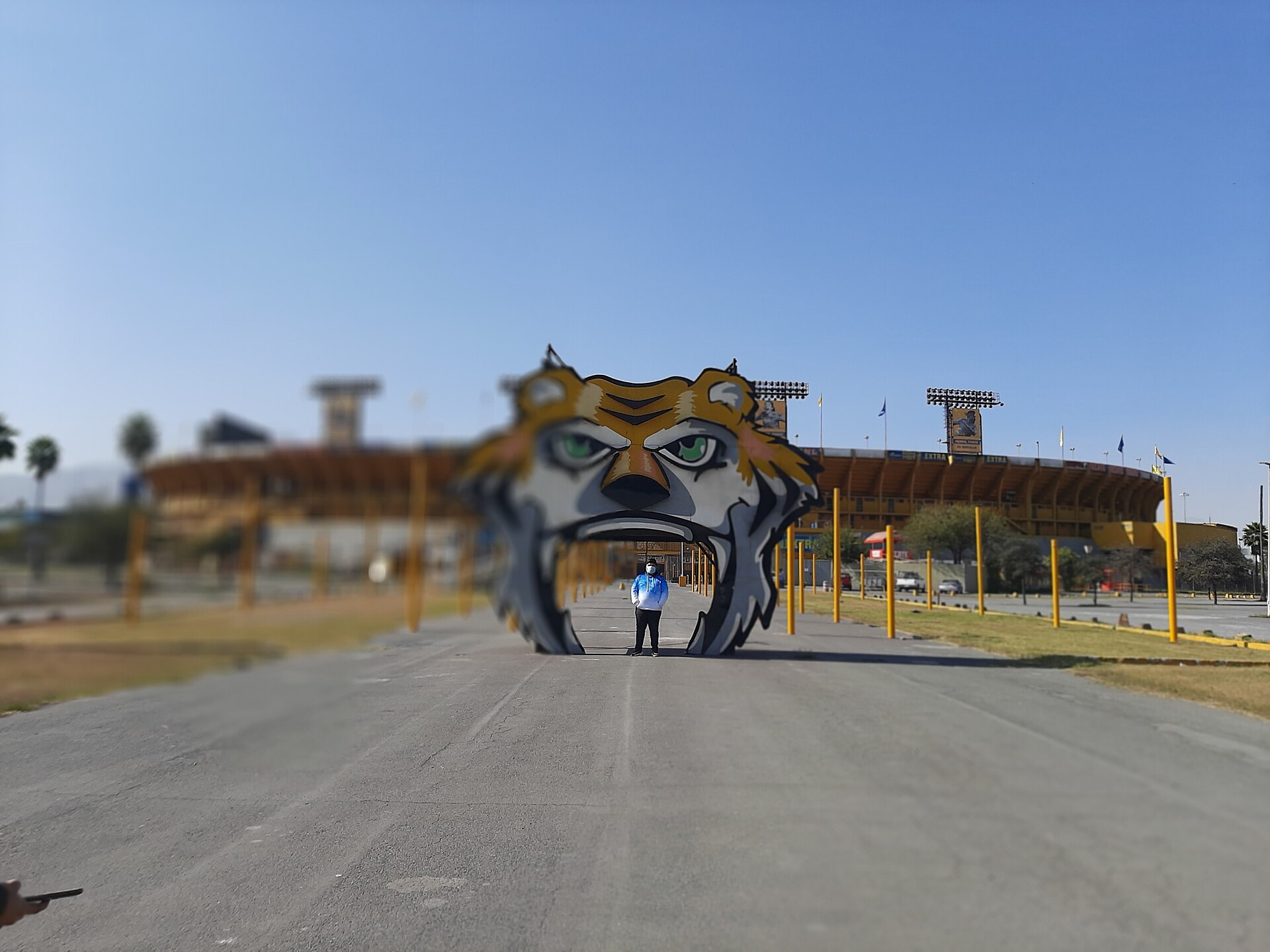
Tigres Femenil was founded on December 5, 2016 — the very day the Liga MX Femenil was announced — as the women's branch of Tigres UANL, the team of the Universidad Autónoma de Nuevo León. They wear the same amarillo, carry the same university crest, and play at the same intimidating stadium as the men. From the start, Tigres treated the women's project as a flagship, and it shows in the trophy cabinet.
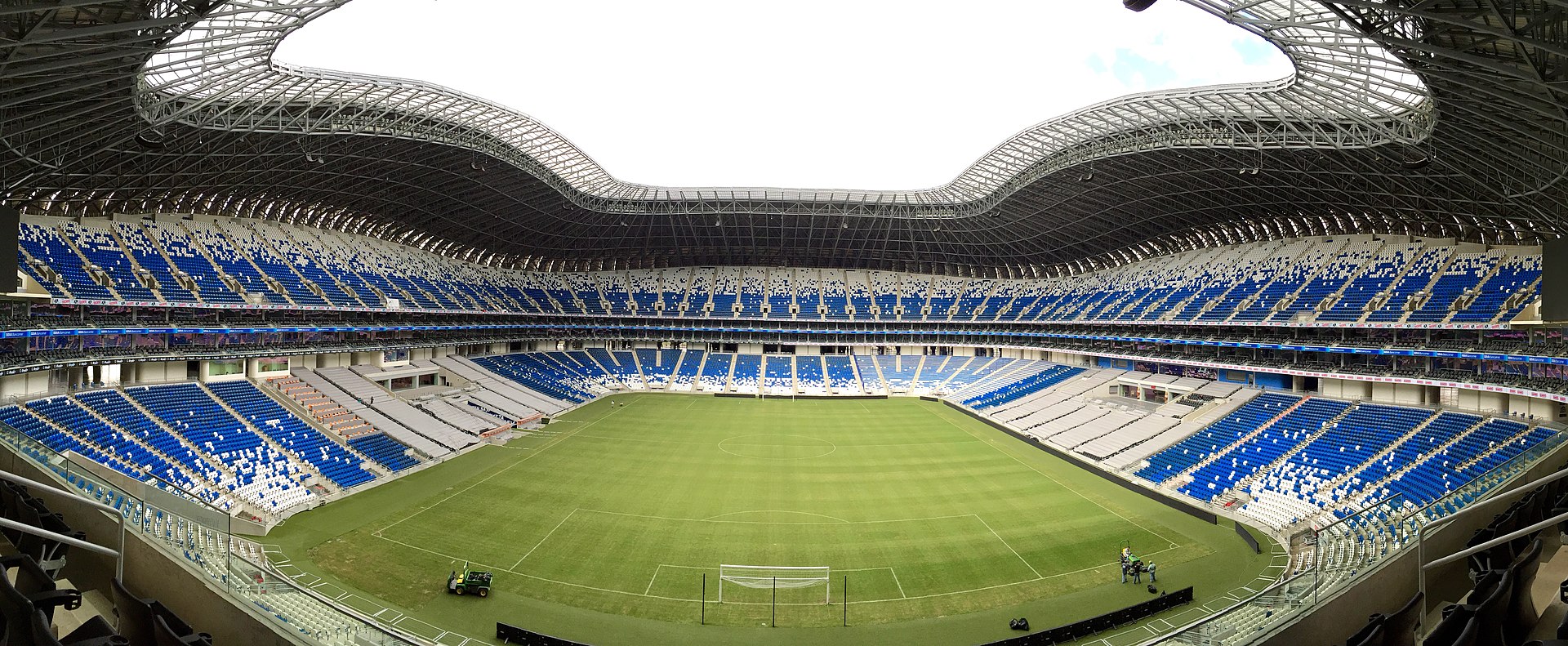
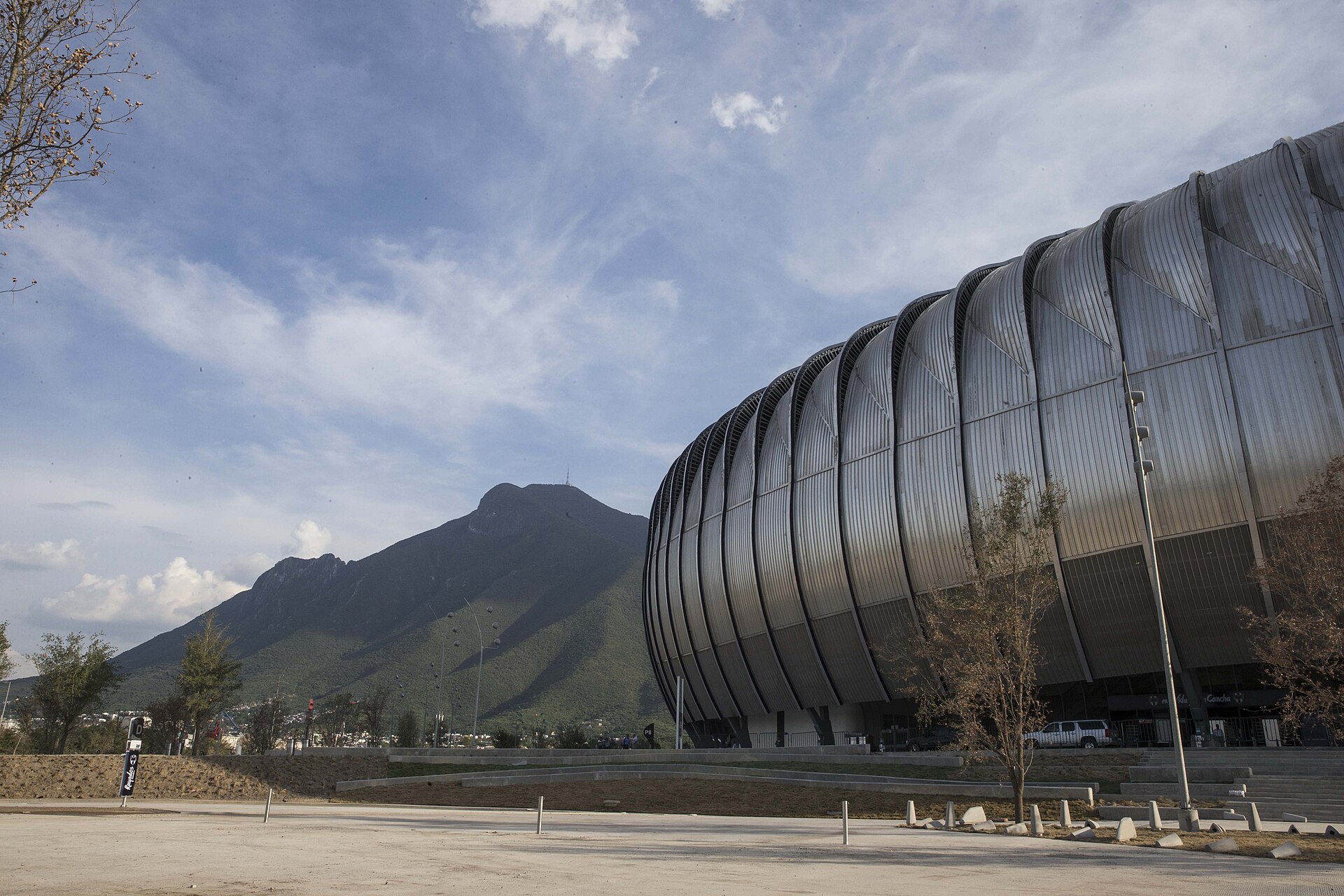
Rayadas are the women's side of C.F. Monterrey, the blue-and-white half of the city built around the Cervecería and the steel-and-cement heritage of the Sultana del Norte. They share the nickname ("Rayados" for the stripes) and the home of the men's team, the modern Estadio BBVA. Where Tigres lean into their university and working-class roots, Rayadas lean into the polish and ambition of the Monterrey corporate machine that backs the club.
Both are full professional operations with real budgets, real academies, and rosters stocked with Mexican internationals and foreign signings. That seriousness is why the city, rather than the capital, became the center of gravity for the women's game.
The honors: a genuine arms race
Tigres Femenil is the most successful club in Liga MX Femenil history, with seven league titles: Clausura 2018, Clausura 2019, Guardianes 2020, Guardianes 2021, Apertura 2022, Apertura 2023, and Apertura 2025. The 2020 and 2021 wins made them the first club to win back-to-back championships in the league, and that run also delivered the inaugural Campeón de Campeonas. Their most recent crown, the Apertura 2025, came against Club América and pushed them to that record-setting seventh star.
Rayadas have built a formidable cabinet of their own with four league titles: Apertura 2019, Apertura 2021, Clausura 2024, and Apertura 2024. The last two are the headline: by winning the Clausura 2024 and then the Apertura 2024, Rayadas became the first team to successfully defend a Liga MX Femenil championship and lift back-to-back titles, sealing the second of them over Tigres in a penalty shootout. Both clubs have since carried that domestic pedigree into the Concacaf W Champions Cup.
Put together, Tigres and Rayadas account for the majority of the league's championships in its short life — a concentration of success in one city that has no real parallel in Mexican club football.
The record crowds
The defining statistic of women's football in Monterrey is attendance. The second leg of the Clausura 2018 final between Rayadas and Tigres, played at Estadio BBVA, drew 51,211 spectators — at the time the largest crowd ever recorded for a club women's match anywhere in the world. Tigres won that final on penalties for their first title, and the number announced to everyone that this league was something serious.
That mark was later surpassed at a national level (a 2022 Apertura final between Tigres and América at the Estadio Azteca drew an even bigger crowd), but the Monterrey clubs have kept the regional bar absurdly high. The Clásico Regio Femenil routinely posts the best gate of its respective tournament: editions have topped 36,000 at El Volcán and pushed past 25,000-27,000 at Estadio BBVA, figures that comfortably eclipse the average crowds of most established women's leagues abroad.
For a competition not yet a decade old, those numbers are extraordinary, and they are the single biggest reason the rest of the football world pays attention to what happens here.
Legends and current stars
No player better embodies the era than Lizbeth Ovalle. The Tigres captain became the club's all-time leading scorer with 136 goals and was a fixture of the Mexican national team. In 2025 she transferred to the NWSL's Orlando Pride for a reported $1.5 million — a world-record fee in women's football at the time — a move that put a Tigres product at the very top of the global market. Around her, Tigres built a dynasty with the likes of Stephany Mayor and the long-serving midfielder Nayeli Rangel, who left after eight years and six titles. More recently the Spanish World Cup winner Jennifer Hermoso joined Tigres and won her first Liga MX Femenil crown in the Apertura 2025.
Rayadas have their own icons. Desirée Monsiváis is the most prolific: she became the first player to reach 100 goals in Liga MX Femenil and retired in December 2024 as one of the competition's all-time leading scorers, having won two titles in blue and white. Defender and captain Rebeca Bernal anchored the back line before moving to the NWSL's Washington Spirit, and Diana Evangelista has become the club's all-time appearance leader. The current side, guided by Costa Rican coach Amelia Valverde, leans on imports like American forward Christina Burkenroad and Australian striker Emily Gielnik alongside its Mexican core.
The two-way pipeline — local stars going abroad for record fees, foreign internationals coming in — is a sign of how far the women's game in Monterrey has matured.
Fan culture and the Clásico Regio Femenil
The women's Clásico carries the same DNA as the men's: the same colors, the same neighborhoods divided street by street, the same barras drumming for ninety minutes. Tigres fans pack the steep stands of El Volcán; Rayados supporters fill the bowl at Estadio BBVA beneath the Cerro de la Silla. The atmosphere is loud and genuine, but it is also noticeably more family-friendly than a men's Clásico, with far more women and kids in the stands.
On the field the rivalry has been spiky and close. In the most recent meeting — the 46th edition of the Clásico Regio Femenil during the Clausura 2026 — Tigres beat Rayadas 3-0 at Estadio BBVA in front of a crowd that, once again, was the best-attended match of the tournament. Whatever the scoreline, the femenil Clásico has become its own event, no longer a curtain-raiser to the men but a headline in its own right.
If you only see one women's match in Mexico, this is the one to target.
How to actually go to a match
Tickets for women's matches are sold through each club's official channels — Rayadas via the C.F. Monterrey site and Tigres via the Tigres UANL site — and they are dramatically cheaper than the men's games, often a fraction of the price. Regular-season femenil tickets can be very affordable; the Clásico and playoff matches cost more and sell faster, so buy ahead for those. Always purchase through the official outlets to avoid resale problems at the gate.
Getting there is easy by Metrorrey. For Estadio BBVA (Rayadas, in Guadalupe), take Line 1 to the Exposición station and walk roughly 10-15 minutes via the pedestrian bridge to the "Gigante de Acero." For El Volcán (Tigres, the Estadio Universitario in San Nicolás de los Garza), ride to the Universidad station and the stadium is right there on the university campus. Rideshare works well too, though expect surge pricing and slow exits on Clásico nights.
Etiquette is simple: wear the home team's colors or stay neutral, don't sit in the visiting barra section, expect a bag check and a no-large-bags policy, and arrive early on big nights because security lines build up. Bring cash for food stalls. Matches are frequently scheduled on Friday or Saturday evenings, so check the official Liga MX Femenil calendar before you plan your trip.
Where things stand in 2025-26
As of the 2025-26 season, Monterrey remains the undisputed heartland of Mexican women's football. Tigres claimed the Apertura 2025 title for their record seventh championship, while Rayadas — recent back-to-back champions and Concacaf regulars — continue to compete at the top of the table under Amelia Valverde. Both clubs are reloading after losing marquee names to the NWSL, a sign that the league has become a genuine talent exporter rather than just a domestic competition.
The bigger picture is the city itself. With Monterrey set to host matches at the 2026 World Cup and the Estadio BBVA in the global spotlight, the women's clubs are riding a wave of investment and attention in the regiomontano football scene. For a visitor, the takeaway is straightforward: a women's match here is not a novelty, it is one of the best-supported, highest-quality football experiences in the Americas — and you can usually get in for the price of a meal.