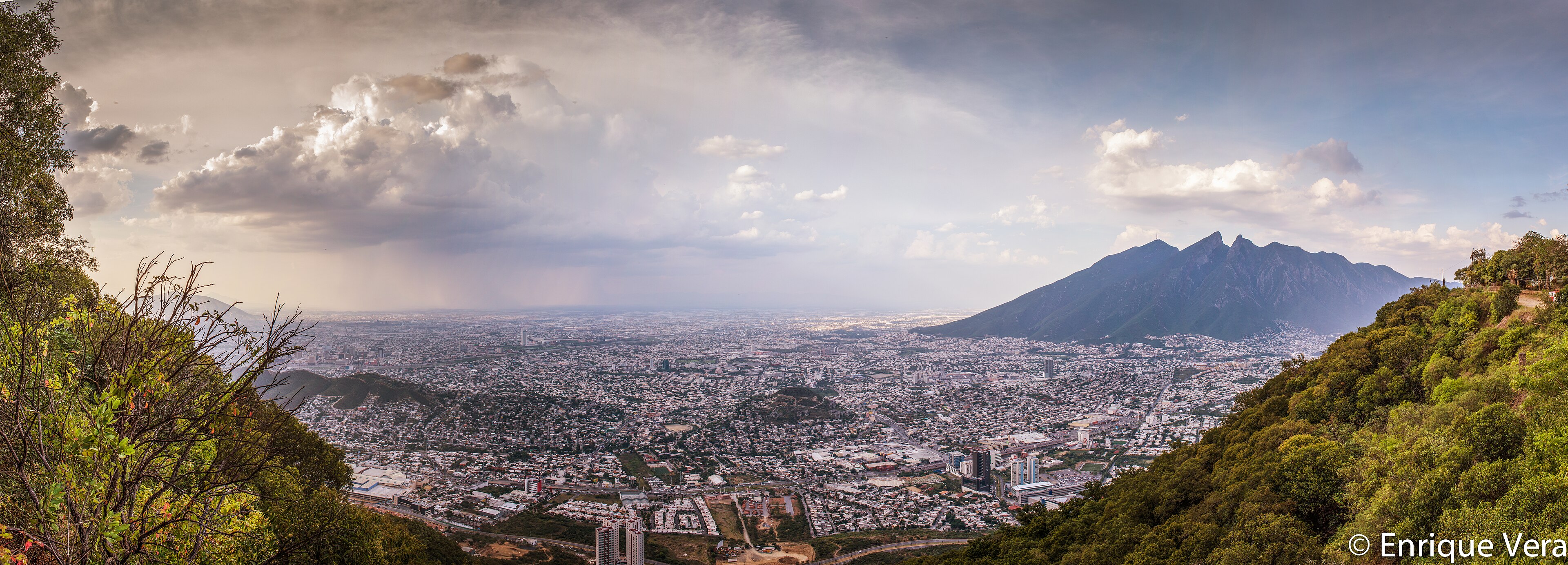
Why people actually move here
Almost nobody relocates to Monterrey for the weather or the beach. People come for work, and right now the work is the nearshoring wave — the reshoring of manufacturing and corporate functions from Asia to a Mexican city that sits roughly a three-hour drive from the Texas border at Laredo. That proximity is the whole pitch: a truck loaded in Apodaca can clear into the United States the same day, which is why facility commitments and new plants keep landing here and why Tesla announced a gigafactory project for the metro's edge. The flip side, worth knowing before you sign anything, is that 'nearshoring boom' headlines run ahead of reality, and some of the data and engineering roles that get announced for Monterrey quietly get split with Dallas, Austin, or overseas.
The other reason is that Monterrey is a corporate hometown in a way few Latin American cities are. Cemex runs its global headquarters here; FEMSA, the bottling-and-retail giant behind Oxxo, operates from the metro; the Tecnológico de Monterrey (the Tec, or ITESM) anchors a research-university ecosystem that feeds bilingual engineering and business talent into all of it. If your employer is a multinational with a Mexico operation, there is a decent chance the Monterrey office is the serious one.
Understand who you'll be joining. Regios — what monterrenses call themselves — have a national reputation as industrious, blunt, business-minded, and a little tight with money, the 'Queen of the North' archetype. It is a stereotype, but like most stereotypes about this city it grew out of something real: an industrial bourgeoisie of family conglomerates that built the place and still runs much of it.
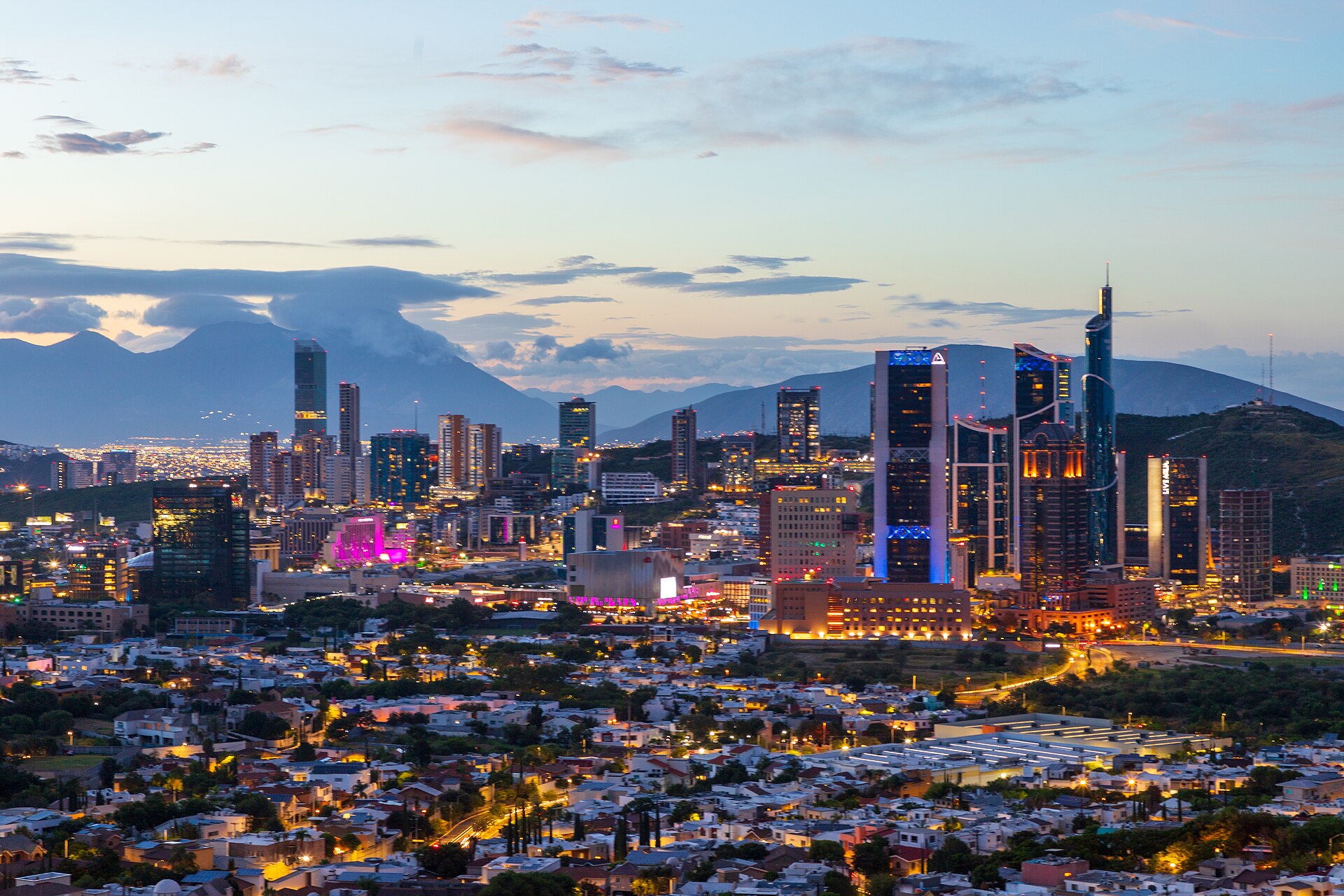 San Pedro Garza García at dusk — the corporate and residential center of the metro's expat and executive population." loading="lazy">
The honest cost-of-living picture
Set your expectations correctly: Monterrey is not a cheap Mexican city. By most cost-of-living indices it sits at or near the top of the country, regularly ranking as the most expensive metro in Mexico and trading the title with Mexico City depending on the methodology. The industrial wealth, the concentration of high-salary corporate jobs, and a relentless construction boom in San Pedro and Valle Oriente have pushed housing and dining costs well above the national average.
What that means in practice is that the 'I'll live like royalty in Mexico for nothing' fantasy that holds up in Mérida or Oaxaca does not hold up here. You can live very well, but San Pedro rents, restaurant tabs, and a good private school will feel closer to a mid-tier U.S. metro than to the rest of Mexico. The trade-off most newcomers make is geography: prices fall sharply as you move away from the San Pedro–Valle Oriente core toward Cumbres, the northern municipalities, or the eastern suburbs.
Two structural costs are easy to underestimate. The first is the car — more on that below, but car-dependence is a real line item here in a way it isn't in central Mexico City. The second is climate adaptation: in a metro that bakes for months, summer air-conditioning is not optional, and CFE electricity bills in July and August can shock people coming from milder places.
Choosing your neighborhood
Monterrey is not one city but a cluster of municipalities, and where you land shapes your entire experience. San Pedro Garza García — widely described as the wealthiest municipality in Mexico — is where most relocating executives and foreign families concentrate, specifically Del Valle (older, leafy, organized around the gardened Calzada del Valle) and Valle Oriente (newer towers, malls, and corporate offices to the east). It is polished, walkable in patches, close to the best private hospitals and international schools, and expensive. If your company is paying and you want the path of least resistance, this is it.
Inside the Monterrey municipality, San Jerónimo and the Obispado/Tec areas are the practical middle ground: established, well-served, with good access to higher-end services and the university, at prices below San Pedro. Cumbres, sprawling up the western hills, is where much of the actual metro lives — overwhelmingly family-oriented, built around malls and arterial avenues rather than charm, and far more affordable. Contry, at the foot of the Cerro de la Silla, is a similar residential heartland to the south.
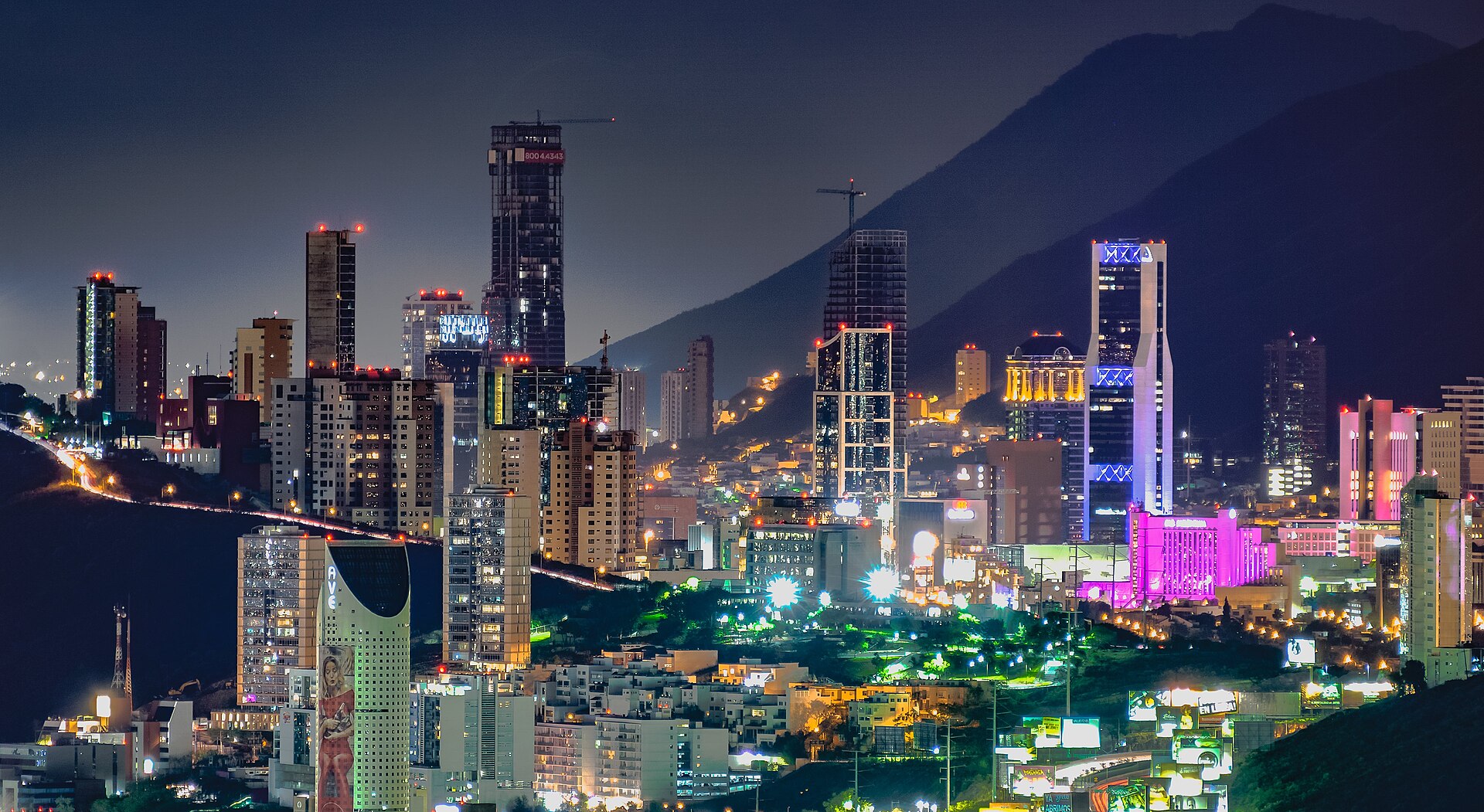
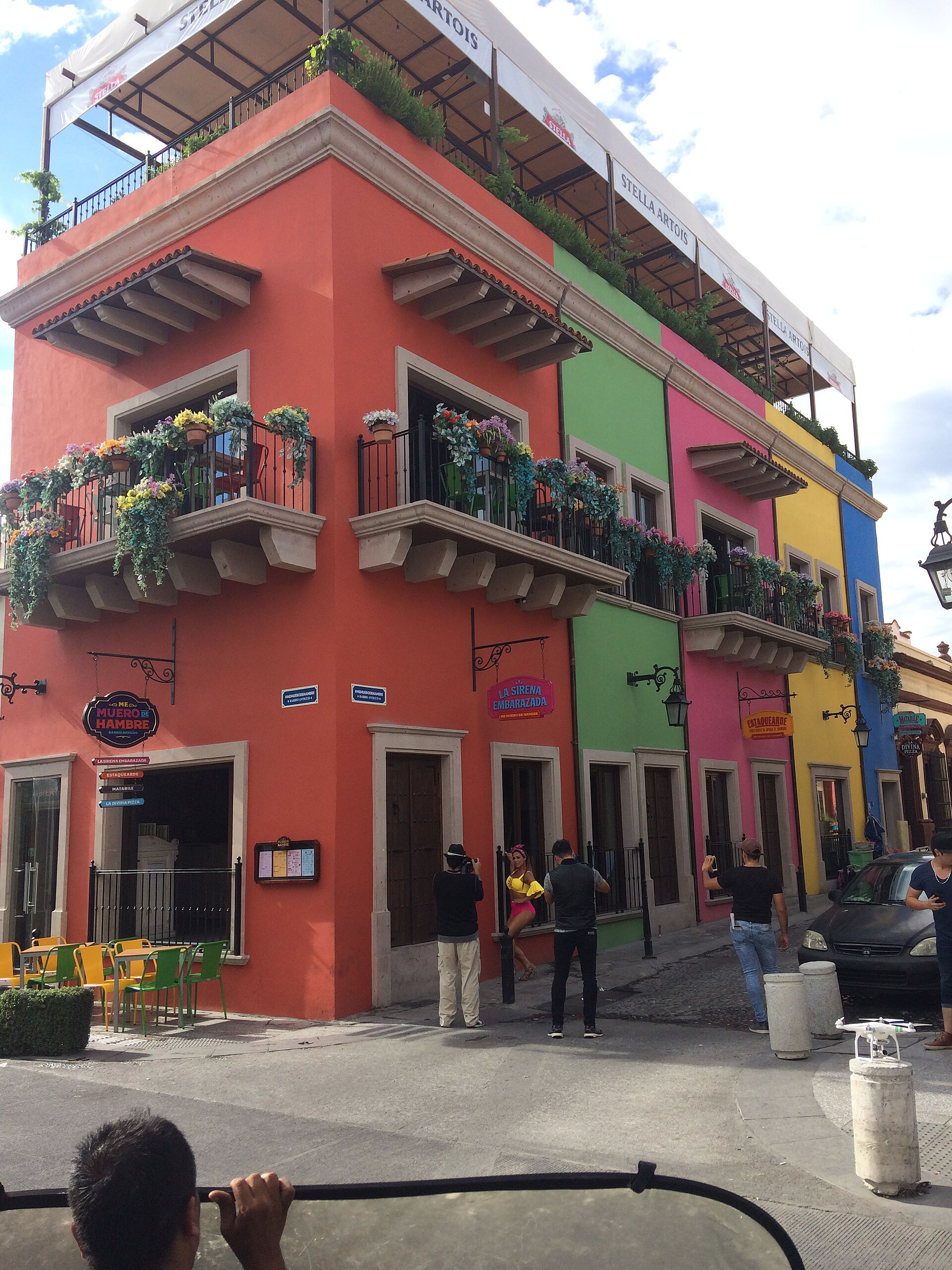
Centro and Barrio Antiguo are the wild card. The historic core, organized around the Macroplaza and the Santa Lucía riverwalk, is walkable and full of life, and Barrio Antiguo's cobblestone grid is the city's nightlife and culture anchor. A small but growing number of younger newcomers and remote workers choose it precisely for the urbanism San Pedro lacks — but it is louder, rougher around the edges, and not where the school-age-children crowd typically settles. Match the neighborhood to your life stage, not to a listicle.
The housing search reality
Renting here runs on relationships and paperwork more than on slick apps. Much of the good inventory in San Pedro and Valle Oriente moves through local real-estate agents and building administrators, and a great deal of it never appears in English anywhere. Expect to need a Mexican guarantor or to pay for a fianza (a rental-bond product) in lieu of one — this trips up nearly every foreigner who assumes a deposit alone will do. Leases are typically annual, quoted in pesos, and the listed rent is rarely the full cost once you add maintenance fees on a tower unit and the summer electricity load.
Two practical cautions. First, the construction pace in the San Pedro corridor means many 'luxury' towers are new, sold off-plan, and occasionally still settling in operationally — ask current residents about water pressure, building water storage, and how the elevators and amenities actually function before committing. Second, if you'll be commuting into San Pedro for work, weight your search toward minimizing time on the chokepoints below rather than toward square footage; the difference between a 12-minute and a 45-minute commute here is almost entirely about which side of a traffic artery you sleep on.
Getting around: cars, the Metro, and the chokepoints
Be honest with yourself: Monterrey is a car city. The metro sprawls horizontally across the valley, the heat makes walking brutal half the year, and outside the Centro the bus network is slow and indirect. Metrorrey runs three lines — Line 1 (east–west, opened 1991), Line 2 (north–south, opened 1994), and the newer elevated Line 3 (opened 2021) — and they're cheap and useful if you live and work along them, which most relocating professionals don't. Heavy expansion is underway, with new lines promised ahead of the 2026 World Cup, though several of those projects are running behind schedule.
If you drive, learn the two arteries everyone complains about. Avenida Gonzalitos (Médicos / Manuel L. Barragán corridor on the city's west side) and Avenida Constitución / Morones Prieto, which run along the dry Santa Catarina riverbed connecting the Centro to San Pedro, are the metro's notorious congestion spines. Rush hour on either can turn a short hop into a long grind, and rain — rare but intense — can make the riverbed-adjacent routes worse fast. The practical move is to organize your day around these rather than fight them: shift your commute off-peak where you can.
Ride-hailing (Uber and DiDi) works well and is the default for nights out, especially in Barrio Antiguo where parking is scarce and driving home after drinks is a non-starter. For a single newcomer without kids, a combination of ride-hailing plus the Metro can genuinely replace a car; for a family in San Pedro with school runs, it almost certainly can't.
The climate and water truth
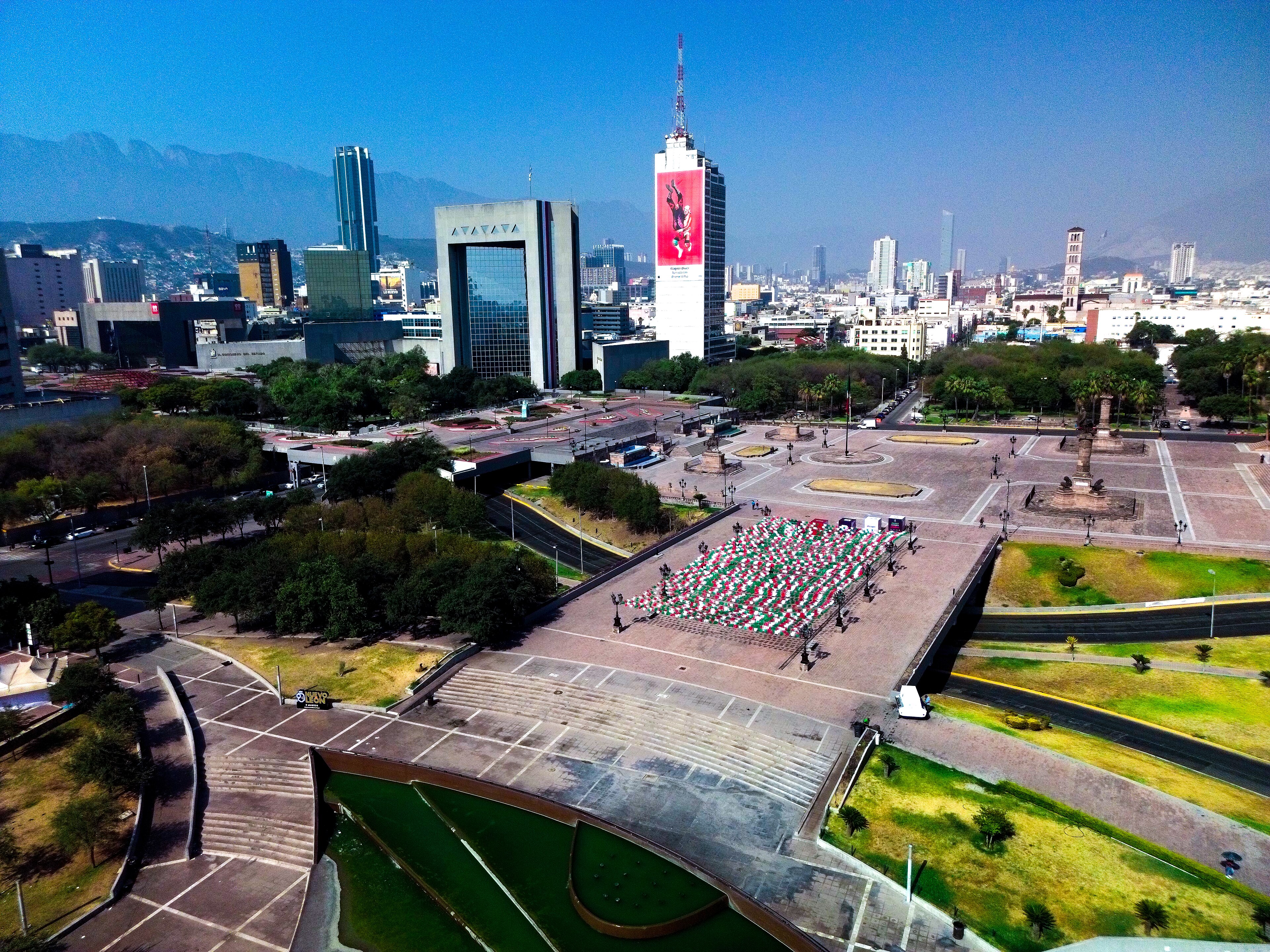
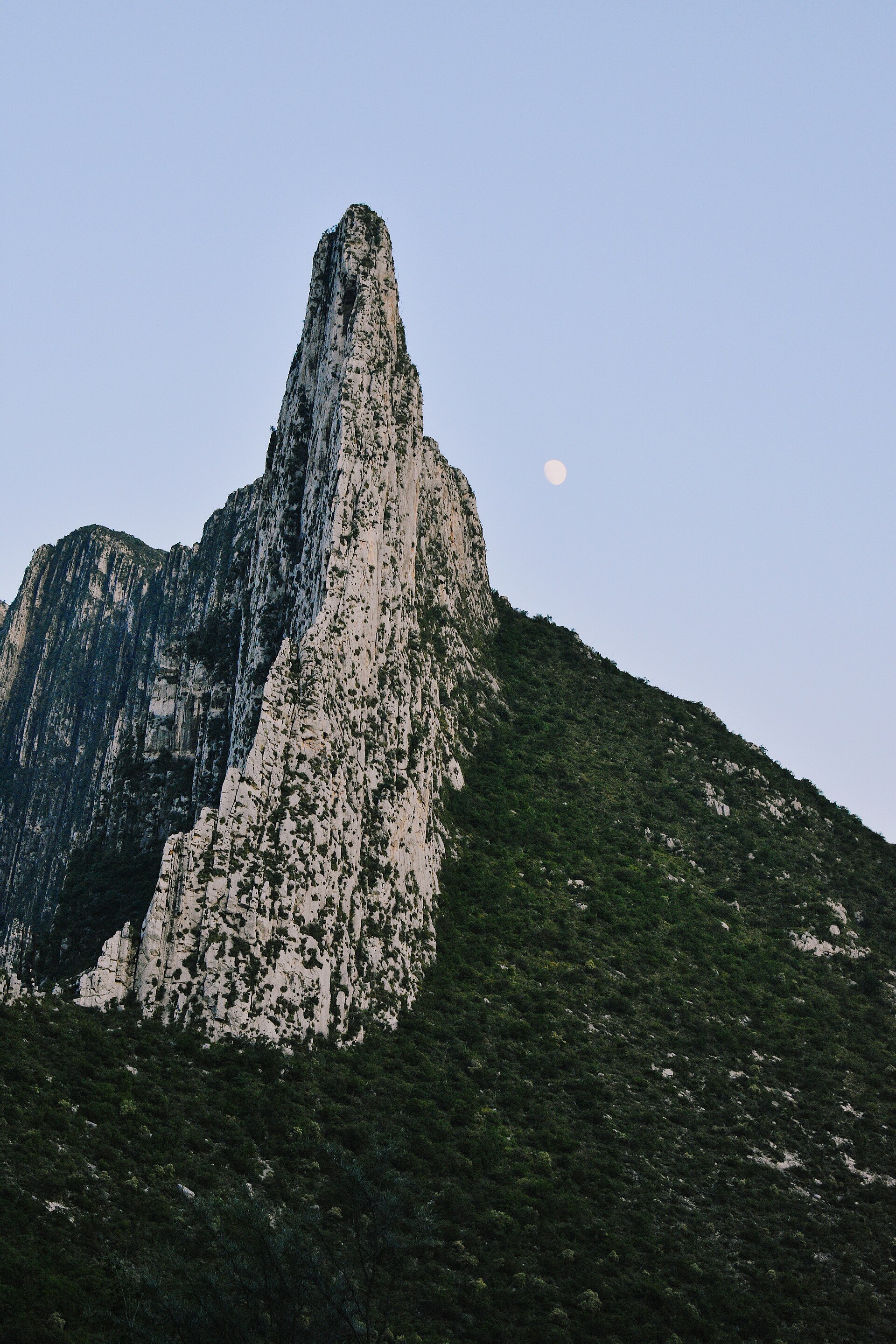
This is the part relocation brochures gloss over, so read it twice. Monterrey is hot — genuinely, oppressively hot from roughly May through August, with a mid-summer dry stretch of relentless heat and little rain. The Sierra Madre traps air in the valley, and air quality is a real issue: particulate pollution, driven substantially by vehicle emissions, regularly pushes past WHO guideline levels, and researchers here have specifically studied the combined health toll of heat and pollution. If you or your family are sensitive to bad-air days, build that into your expectations and your housing choice.
Then there's water. In 2022 the metro lived through its worst water crisis in decades — the 'Día Cero' scare — when drought drained the dams that supply the city. Cerro Prieto fell to a fraction of one percent of capacity and La Boca effectively ran dry; authorities rationed water for months, and millions of homes went without for stretches. The metro draws most of its domestic water from three reservoirs (El Cuchillo, Cerro Prieto, La Boca) plus groundwater, and that system has proven vulnerable. The big industrial players responded by sinking serious money into private water infrastructure — a tell about how seriously the risk is taken.
The practical upshot for a newcomer: when you tour a building, ask hard questions about its cistern and rooftop water storage and how it weathered 2022. A tower with robust on-site storage is a materially different living experience during a shortage than one without. Don't treat reliable tap water as a given here the way you might elsewhere.
Healthcare and schools
Monterrey's saving grace on the services front is genuinely first-rate private healthcare — it's a national and regional medical-tourism hub for a reason. The Hospital Zambrano Hellion in San Pedro, part of the Tec's TecSalud network, opened in 2012 and is known for advanced and robotic surgery; the Hospital San José Tec de Monterrey holds international (JCI) accreditation; and the Christus Muguerza group, affiliated with the U.S. Christus Health system, runs multiple hospitals across the metro. Most relocating professionals carry private health insurance and use these facilities rather than the public IMSS system, and the standard of care at the top hospitals is comparable to what you'd expect in a U.S. city.
For schooling, the anchor institution for the international community is the American School Foundation of Monterrey (ASFM), a long-established, U.S.-accredited, college-preparatory school offering both Mexican and U.S. diplomas, with roughly 2,400 students from nursery through twelfth grade. It is not the only option — there are other bilingual and international schools across San Pedro and the city — but it is the default reference point, and its proximity is one of the reasons foreign families cluster where they do. Plan school admissions early; the good ones have waitlists, and tuition is a major budget line.
Safety: today versus the 2010–12 era
If your mental image of Monterrey is the cartel-war coverage from a decade and a half ago, update it. Around 2009–2012 the city went through a genuinely dark period — the Gulf Cartel–Zetas split brought blockades that paralyzed streets, a homicide spike unprecedented for the metro, and the horrific 2011 Casino Royale arson that killed dozens. That era left real scars and shaped how a generation of regios talk about their city.
What followed was a substantial recovery. Monterrey today is generally regarded as one of the safer large cities in Mexico for residents and visitors, with the well-trafficked zones — San Pedro, the Macroplaza, Fundidora — feeling routine and ordinary. That said, 'safer than the worst years' is not 'no caution required': Nuevo León remains a state with organized-crime activity, and the standard big-city street smarts apply, especially late at night in nightlife districts. The honest read is that day-to-day life in the parts of the metro where newcomers actually live and work is calm, and the fear that keeps some people away is calibrated to a Monterrey that largely no longer exists.
The regio social code for newcomers
Regios will tell you, often unprompted, that they are different from the rest of Mexico — more direct, more punctual, more all-business — and you'll do well to take that self-image seriously. Compared to the famous warmth-first social style of central and southern Mexico, the regio register can read as brisk and transactional, particularly in a work context where meetings start closer to on time and people get to the point. None of this means cold; it means a different rhythm. Spanish matters here, and while plenty of corporate Monterrey is bilingual, making the effort to function in Spanish moves you from 'visiting foreigner' to 'someone making a life here' faster than almost anything else.
Family and family-run business are the connective tissue of this city. An enormous share of the local economy still runs through family conglomerates whose senior people are relatives, and social and professional networks braid together accordingly. Newcomers who get traction tend to do it through introductions — a colleague, a school parent, a neighbor — rather than by cold outreach. There is also, candidly, a class-conscious edge to the polished San Pedro world; it is welcoming but it notices, and the fastest way in is to be useful, reliable, and unpretentious.
One last cultural note that surprises people: this is a city where executives and laborers genuinely drink side by side in the same cantinas, and where the working-class musical soul of the place — the cumbia tradition born on the slopes of La Indepe — coexists with the glass towers of Valle Oriente. The Monterrey that works for newcomers is the one that engages both of those worlds rather than hiding inside the air-conditioned corporate bubble. Show up to the carne asada, learn to take the bluntness as honesty rather than rudeness, and the city opens up.