The geography of a Monterrey weekend
Monterrey sits in a bowl of the Sierra Madre Oriental, and almost every good escape from the city runs along the same logic: you pick a direction out of the mountains. South toward Santiago and the high sierra. Northwest toward García and the Sierra del Fraile. North toward Bustamante. Southeast down the citrus plain toward Montemorelos and Linares. West, across the desert, toward the Coahuila wine country. None of it is far. The genuinely magical stuff is between thirty minutes and an hour from the city, and even the long hauls top out around two and a half hours.
That proximity is the blessing and the curse. Because everything is so close, on a Sunday in spring or after the first cold front of fall, half of Monterrey has the same idea you do, and the two-lane roads into the canyons turn into a slow parade of SUVs. The single most important variable in any of these trips is not the destination — it's the day and the hour you leave. Go on a weekday, or leave before eight on a weekend, and the same place that felt like a theme-park parking lot becomes the quiet mountain town it actually is.
A note on logistics before the picks: you do not strictly need a car for the headline trips. Operators run vans to Cola de Caballo and the García caves daily, and they're a reasonable call if you don't drive or don't want to. But for everything off the main script — Laguna de Sánchez, the citrus belt, the back roads of the high sierra — a car is the whole point. The freedom to stop at a roadside fruit stand or take the dirt fork is the trip.
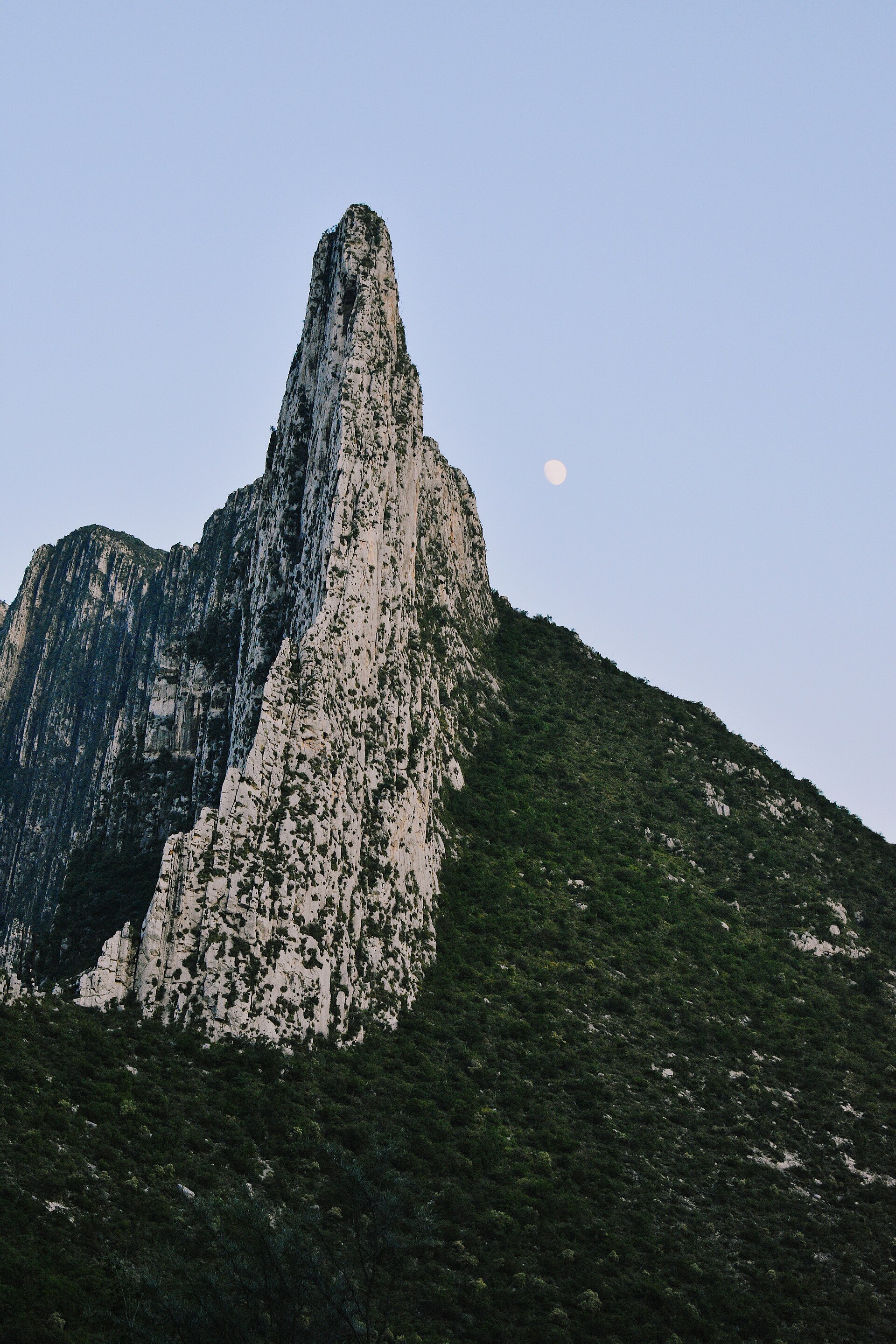
Santiago Pueblo Mágico and Cola de Caballo: the default trip, done right
Santiago is the day trip everyone takes first, and for good reason. It's about 40 kilometers south of the city — roughly 40 minutes down the Carretera Nacional — and it earned its Pueblo Mágico designation back in 2006, the first in Nuevo León. The old center around the parish church and the plaza is genuinely pretty: shaded portales, a yellow-and-white templo, artisan stalls, and a string of cabrito and carne asada restaurants that fill up at lunch. Spend the morning walking the plaza, eat early, and you've had a good day before you ever reach the famous waterfall.
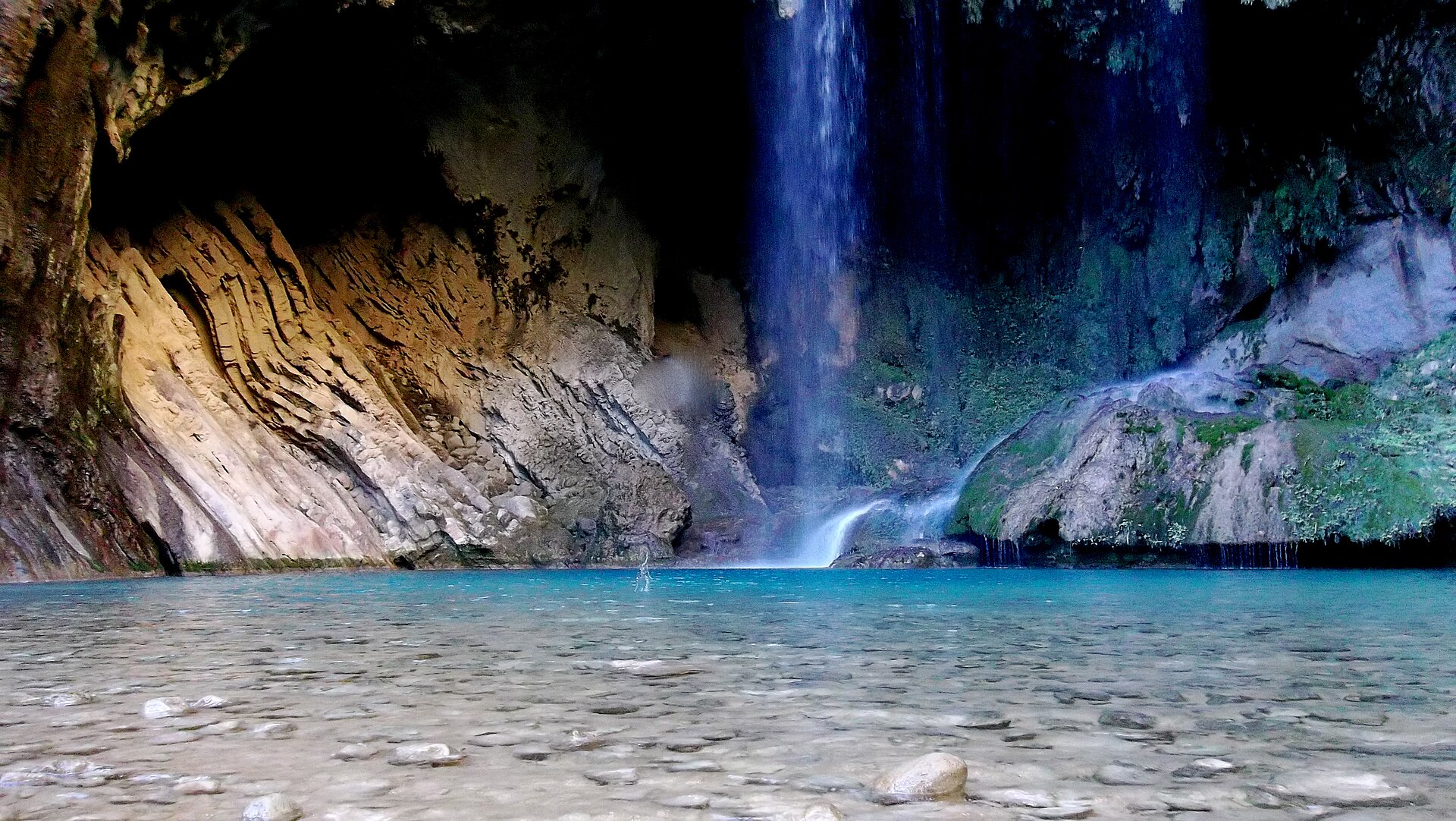
Cola de Caballo — the 'horsetail' — sits about 10 kilometers above the town inside Parque Nacional Cumbres de Monterrey, a 27-meter cascade that fans out across the rock the way the name suggests. Here's the honest take regios will give you: the waterfall itself is lovely, but the experience around it is heavily commercialized. You park, you pay, you walk a short paved-and-stepped path lined with souvenir vendors and men renting horses and pony carts, and at the end there's the falls and a crowd taking the same photo. It is not a wilderness experience. After a dry stretch the flow can thin to a trickle, which disappoints people who came expecting Niagara.
So is it overrated or worth it? Both, depending on expectations. If you treat Cola de Caballo as a 45-minute stop on a larger Santiago-and-sierra day — not the main event — it's absolutely worth it, especially after summer rains when the falls run full. If you build the whole day around it expecting a dramatic natural spectacle, you'll feel oversold. Skip the horse rental (the walk is short and easy), go after rain, and keep moving up the road into the real mountains, where the day gets much better.
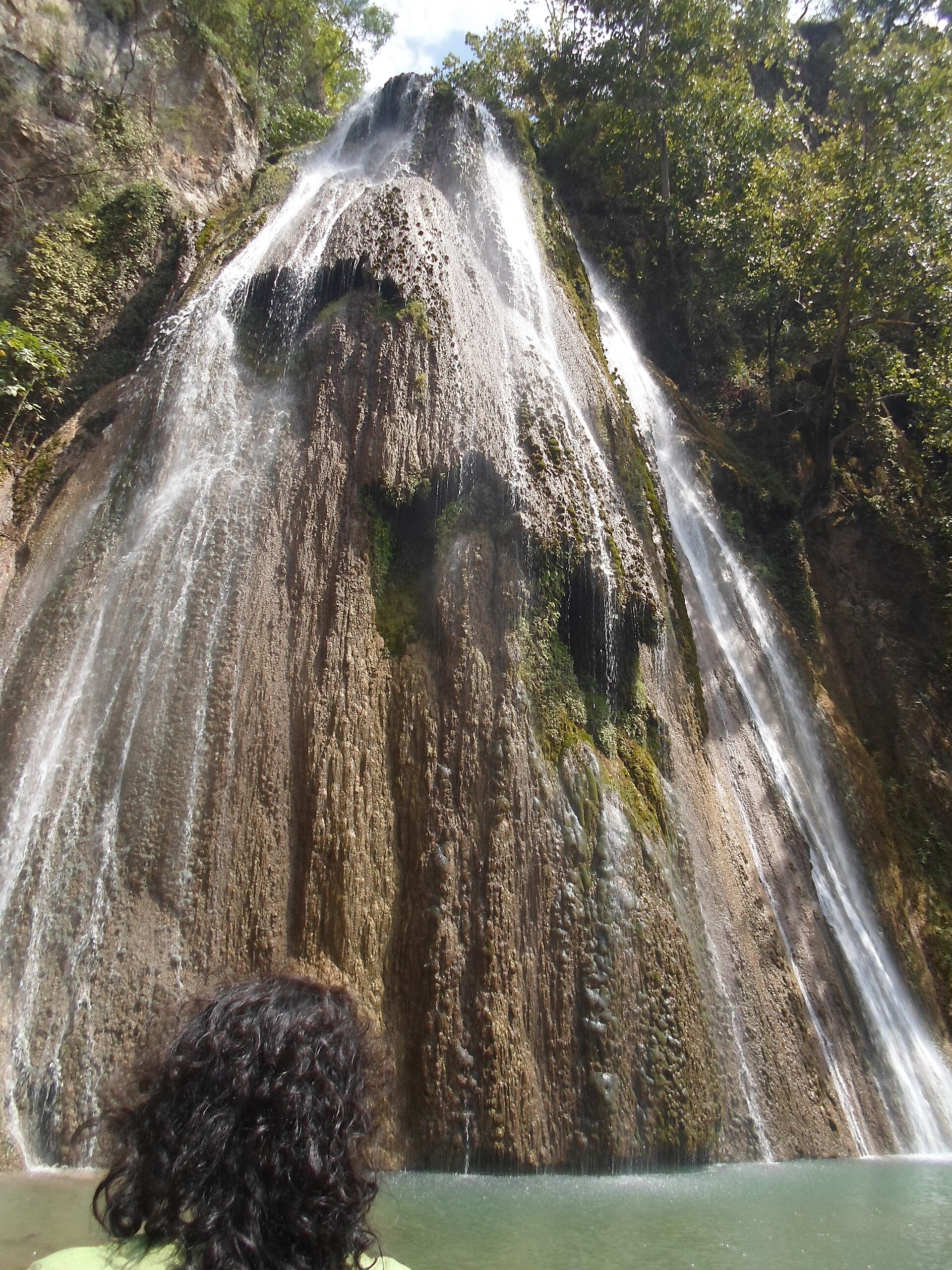
Presa de la Boca: the lake locals actually use
On the way to or from Santiago, you pass Presa de la Boca — officially the Presa Rodrigo Gómez, built between 1961 and 1963 and named for a Monterrey banker. It's about 36 kilometers from the city and roughly 11 from Santiago's center, a reservoir ringed by mountains that doubles as one of the metro area's water sources and its closest weekend lake. This is where regio families come to rent a boat, eat fish on a deck over the water, and let the kids burn off energy.
What you do here is simple: a catamaran or panga ride out onto the water, jet skis if that's your thing, a long lunch at one of the lakeside restaurants serving regional dishes, and a walk along the boardwalk. It is unpretentious and a little rough around the edges — the appeal is the setting and the everyday ordinariness of it, not polish. On summer weekends there are boat and jet-ski races and the place gets loud and busy; on a calm weekday morning it's a peaceful stop.
Pair it with Santiago and you have a complete, low-effort day: plaza and lunch in the pueblo, falls in the morning if the flow is good, and the lake to close it out. None of the three is a destination worth a separate trip on its own, but stitched together they make the easiest and most reliable weekend escape Monterrey has.
Grutas de García: the cable car, the caves, and the drive
Head the other direction — northwest, toward Saltillo — and you reach the Grutas de García, the most impressive cave system near the city. From Monterrey you take Highway 40 toward Saltillo, and about 30 kilometers out you turn off toward the municipality of Villa de García; from the town the caves are another 9 kilometers up to Cerro del Fraile. Figure 45 minutes to an hour depending on where you start and the weekend traffic. The drive through García itself is unglamorous flat scrubland that suddenly runs up against a wall of mountain — the caves are bored into that wall, 750-odd meters above the highway.
The signature is the teleférico, the cable car that runs more than 600 meters up roughly 280 meters of elevation to the cave mouth in a few minutes. You can also walk up, but it's a steep hour-long climb in the heat, and most people sensibly take the car both ways. Inside, the guided route runs about two kilometers through chambers full of stalactites, stalagmites, and marine fossils — these mountains were a seabed once, and the guides will show you the shells in the limestone. It's 750 steps up and down, so wear real shoes; this is not a stroll.
The verdict: worth it, with one caveat. The caves are genuinely spectacular and the cable car is a fun ride with big views, so this is one of the rare headline trips that delivers. The caveat is crowds and queues — on holiday weekends the line for the teleférico can swallow an hour. Go early, go on a weekday if you possibly can, and bring water. The combination of a real geological wonder and the easy access makes it the strongest single day trip on this list for first-timers.
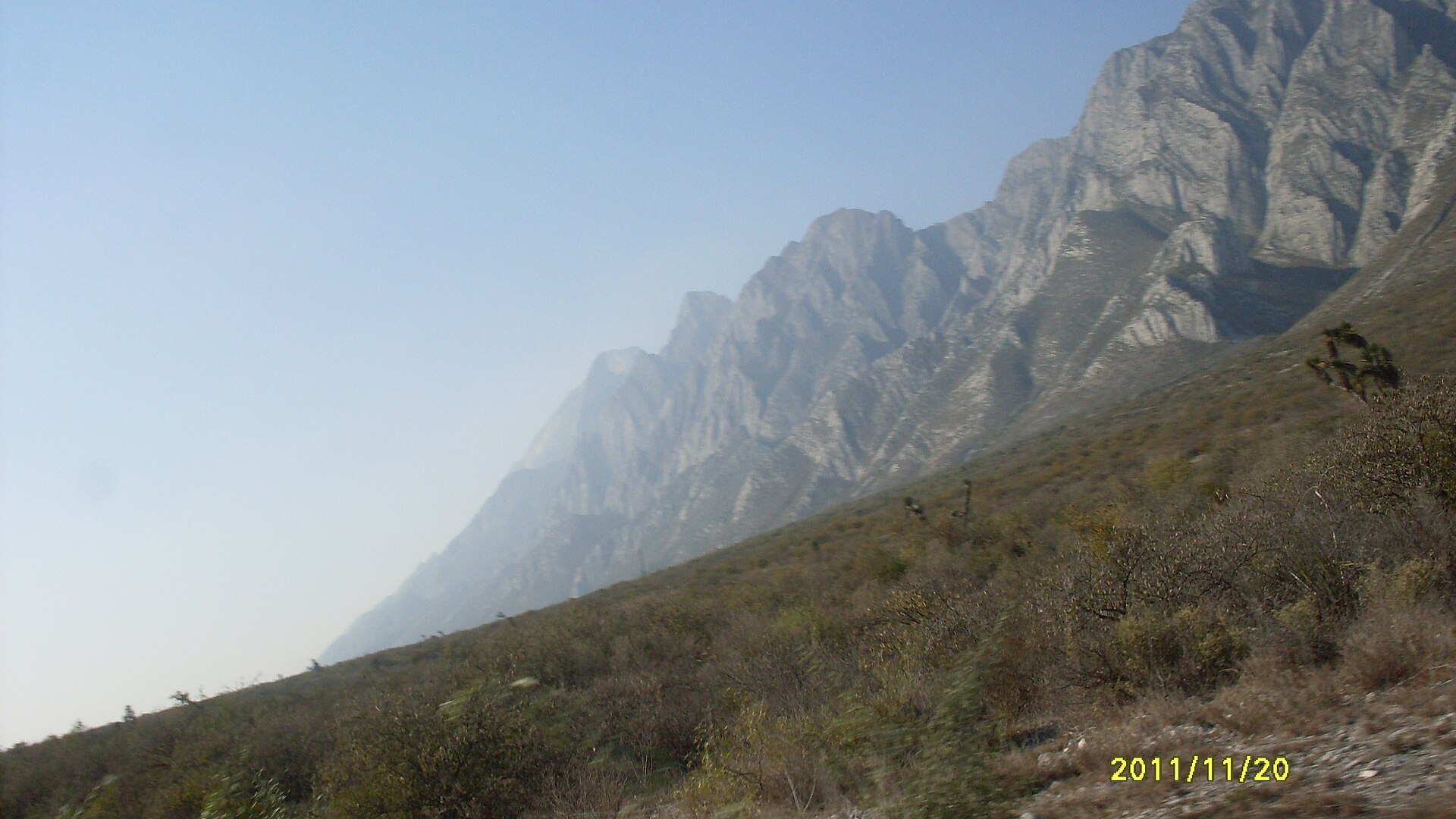
El Potrero Chico and Hidalgo: world-class rock, even if you don't climb
About 25 miles northwest of Monterrey, just outside the town of Hidalgo, the Sierra splits open into El Potrero Chico — 'the little corral' — and it is one of the great sport-climbing destinations on earth. Over 650 bolted routes climb featured limestone walls, more than 140 of them multipitch, with legendary lines like the 15-pitch El Sendero Luminoso (made famous by Alex Honnold's free solo) and the monster 22-pitch Time Wave Zero. From November through February, climbers from the US, Canada, and Europe fill the campgrounds at the canyon's mouth. This is a genuine international pilgrimage site that happens to be in our backyard.
You don't have to climb to enjoy it. The road runs right into the gap between the walls, and on a cool morning the simple act of walking into that narrow corral with thousand-foot cliffs rising on both sides is worth the drive. There's a small turquoise reservoir, picnic spots, and the constant sight of climbers strung up the rock like ants. If you do want to get on the wall and don't have your own gear and partner, hire one of the local AMGA-trained guide outfits in Hidalgo — do not freelance on multipitch terrain you don't know.
Practical truth: the best season is the cool half of the year, roughly October to March. Summer here is brutally hot and the rock bakes; serious climbers avoid it entirely. Hidalgo itself is a modest town with basic services, so this is a destination you come to for the canyon, not the amenities. For climbers it's essential; for everyone else it's a striking, free, half-day nature stop that pairs naturally with the García caves since they're in the same direction.
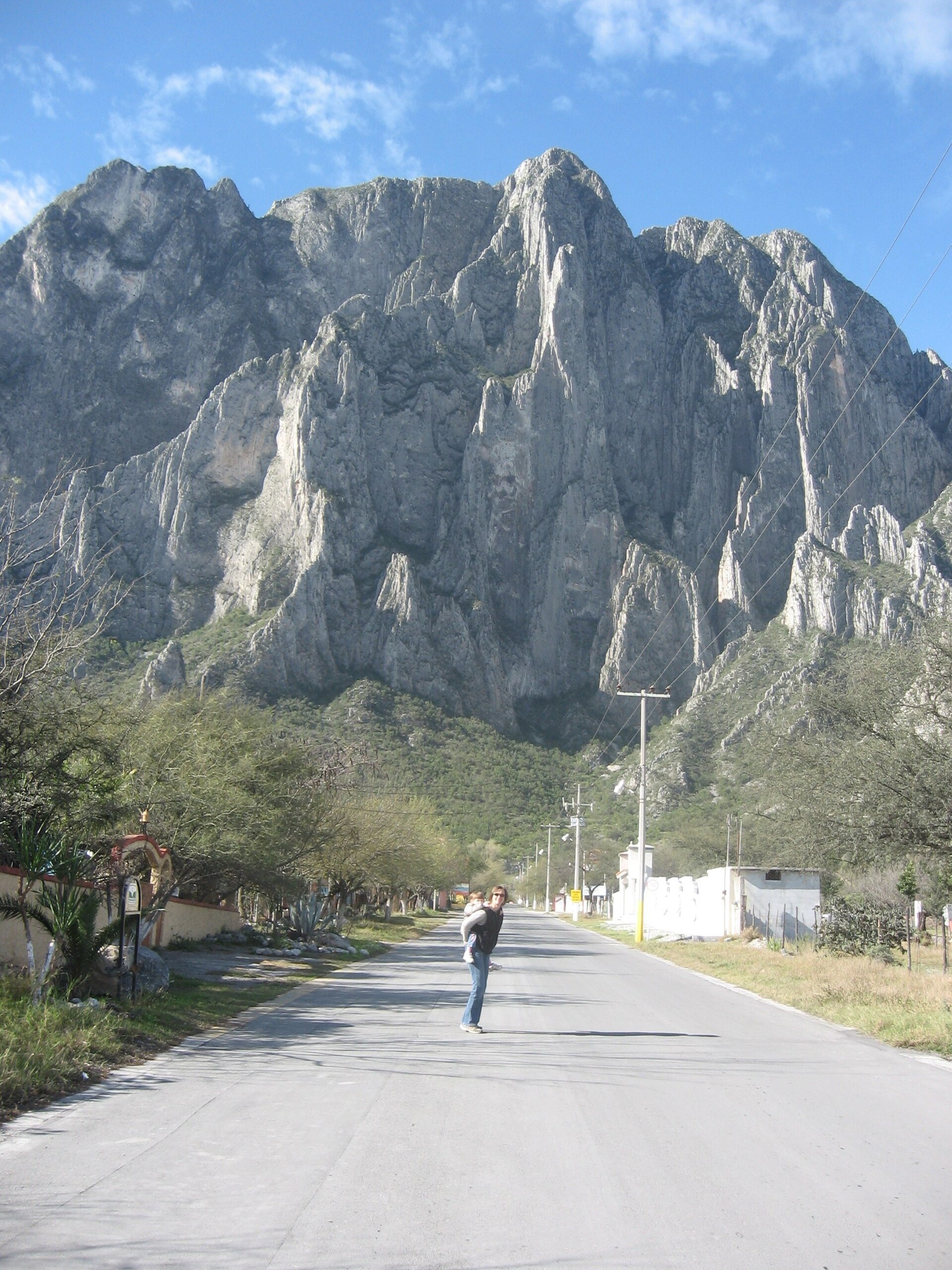
Bustamante and the Grutas del Palmito: the long-haul cave trip north
Bustamante is the trip for people who've done the close stuff and want something farther out. It's about 107 kilometers northwest of Monterrey — roughly an hour and a half — set in the Sierra de Gomas, and it carries the Pueblo Mágico title it earned in 2018. The town is a green oasis in dry country, known for its walnuts and its sweet bread, and it makes a pleasant base. But the real reason to come is the Grutas del Palmito, about 7 kilometers from town.
The caves were found in 1906 by a man out gathering palmito in the sierra — hence the name — and they are arguably more beautiful than the better-known García grottoes, if harder to reach. The publicly accessible section runs about 250 meters and a guided visit takes around 45 minutes through chambers of dramatic, well-lit formations. Because Bustamante is far enough that day-trippers thin out, the experience is calmer and less of a circus than García.
Make a day of it: the caves in the morning, lunch in town, and a stop to buy walnuts and pan de Bustamante on the way out. Honest framing — the 90-minute drive each way means this is a full commitment, not a casual outing, and if you only have time for one cave near Monterrey, García is closer and easier. But if you've got a free Saturday and want the better cave with smaller crowds, Bustamante rewards the effort.
The citrus belt and apple country: where the food is grown
South and southeast of the city, the mountains give way to a fertile plain that is the agricultural heart of Nuevo León. Montemorelos — about 82 kilometers and an hour and ten from Monterrey — is the orange capital, the center of a citrus belt that includes Allende, Hualahuises, General Terán, and Linares. This is where the orchards run to the horizon and roadside stands sell bags of oranges and fresh juice for a few pesos. Latin America's first orange-juice processing plant was built here. It isn't a polished tourist destination; it's working agricultural country, and the appeal is exactly that — driving the back roads in winter when the trees are heavy with fruit and stopping wherever a stand looks good.
The opposite climate is a short, steep drive away. Above Santiago, the road that passes Cola de Caballo keeps climbing into the high Sierra Madre to Laguna de Sánchez, an apple-growing community at about 1,650 meters, less than two and a half hours from the city by the slow mountain road. The route winds through Ciénega de González and San Isidro, crossing rivers and gaining altitude until the air turns cool and smells, in autumn, of apples. Orchards here grow apples, peaches, and plums, sold straight to visitors at harvest.
A blunt warning on the high road: the drive to Laguna de Sánchez is gorgeous but genuinely demanding — narrow, winding, partly unpaved, with stream crossings that become impassable after heavy rain. This is not a trip for a low sedan or a nervous driver, and you should not attempt it when storms are forecast. A high-clearance vehicle and a clear-weather day are close to mandatory. Done right, in fall, with the windows down, it's one of the most beautiful drives in the state and the antithesis of the crowded waterfall below it.
Cañón de la Huasteca and the wine road
Two more trips bracket the spectrum of effort. The Cañón de la Huasteca, in Santa Catarina, is the easiest of all — barely 25 minutes from downtown, a dramatic gorge of white limestone walls and rocky peaks rising over 500 meters straight from the desert floor. It's a city park as much as a wilderness, with picnic areas, a small playground at the entrance, and the famous twisting rock formations, but it's also a serious climbing and rappelling venue with nearly 400 bolted routes and certified guides running ferrata and abseil descents. For a quick, cheap, jaw-dropping nature fix you can do in a morning before lunch back in the city, nothing beats it. The trade-off is that on weekends it fills with families and the entrance area feels busy.
At the far end of the effort scale is the wine road into Coahuila. Parras de la Fuente — about two and a half hours west across the desert — is home to Casa Madero, the oldest winery in the Americas, founded in 1597 under a land grant from Felipe II. Touring the vineyards and old stone bodega, tasting wines on the site where wine has been made in this hemisphere for over four centuries, is a genuinely moving piece of history, and the desert oasis town around it is lovely. Newer producers like Bodega Rivero González have made the Parras valley a real wine destination, not just a historical curiosity.
Be realistic about Parras as a day trip. Two and a half hours each way means five hours of driving for a few hours on the ground, and Casa Madero requires booking tours and tastings in advance — usually at least a day ahead. Most people who do it properly stay overnight and make it a weekend, which is the right call. As a same-day round trip it's doable but rushed; as an overnight it's one of the best escapes the region offers and a complete change of scene from the mountains.