Before You Land: How to Think About This City
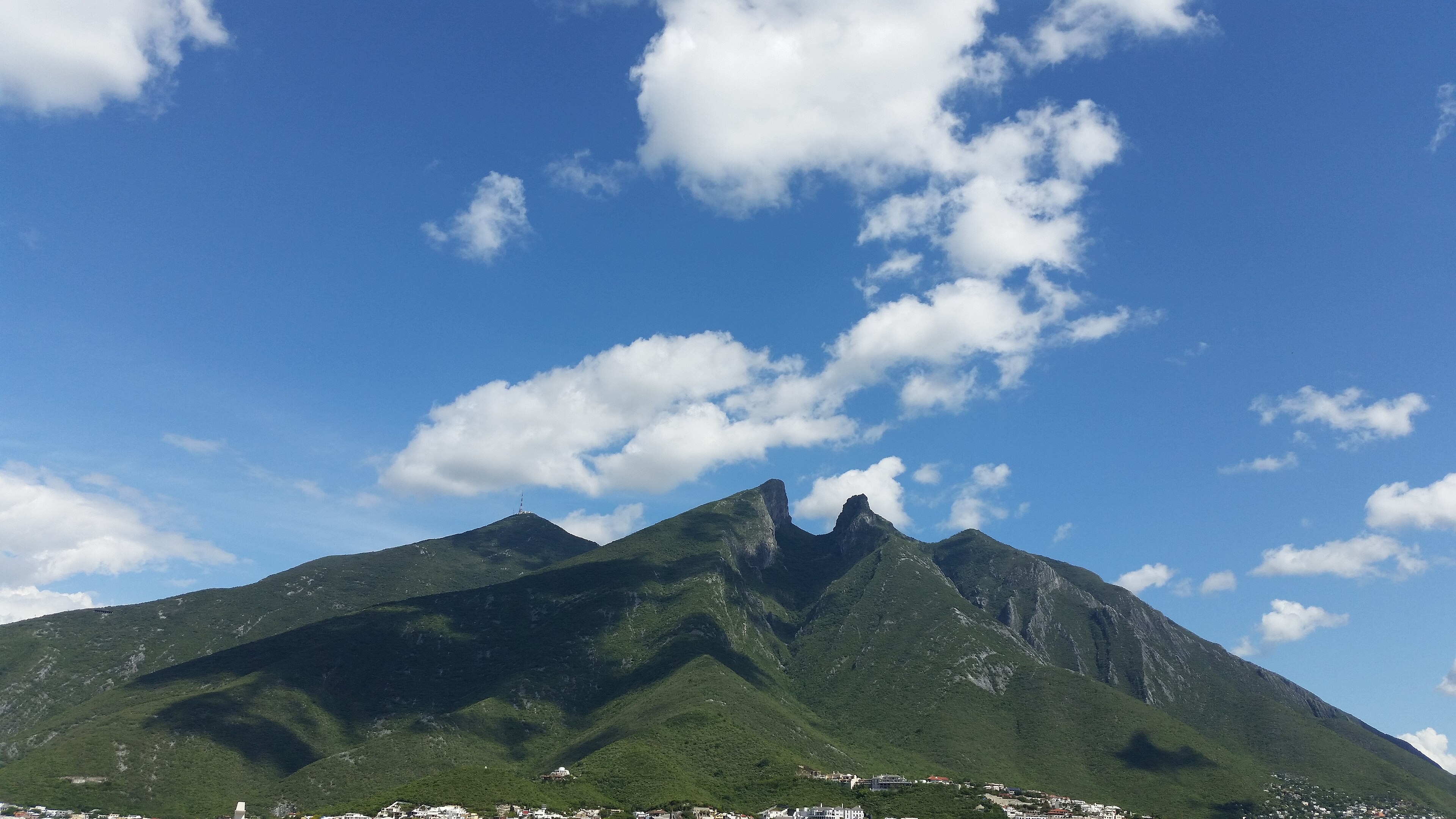
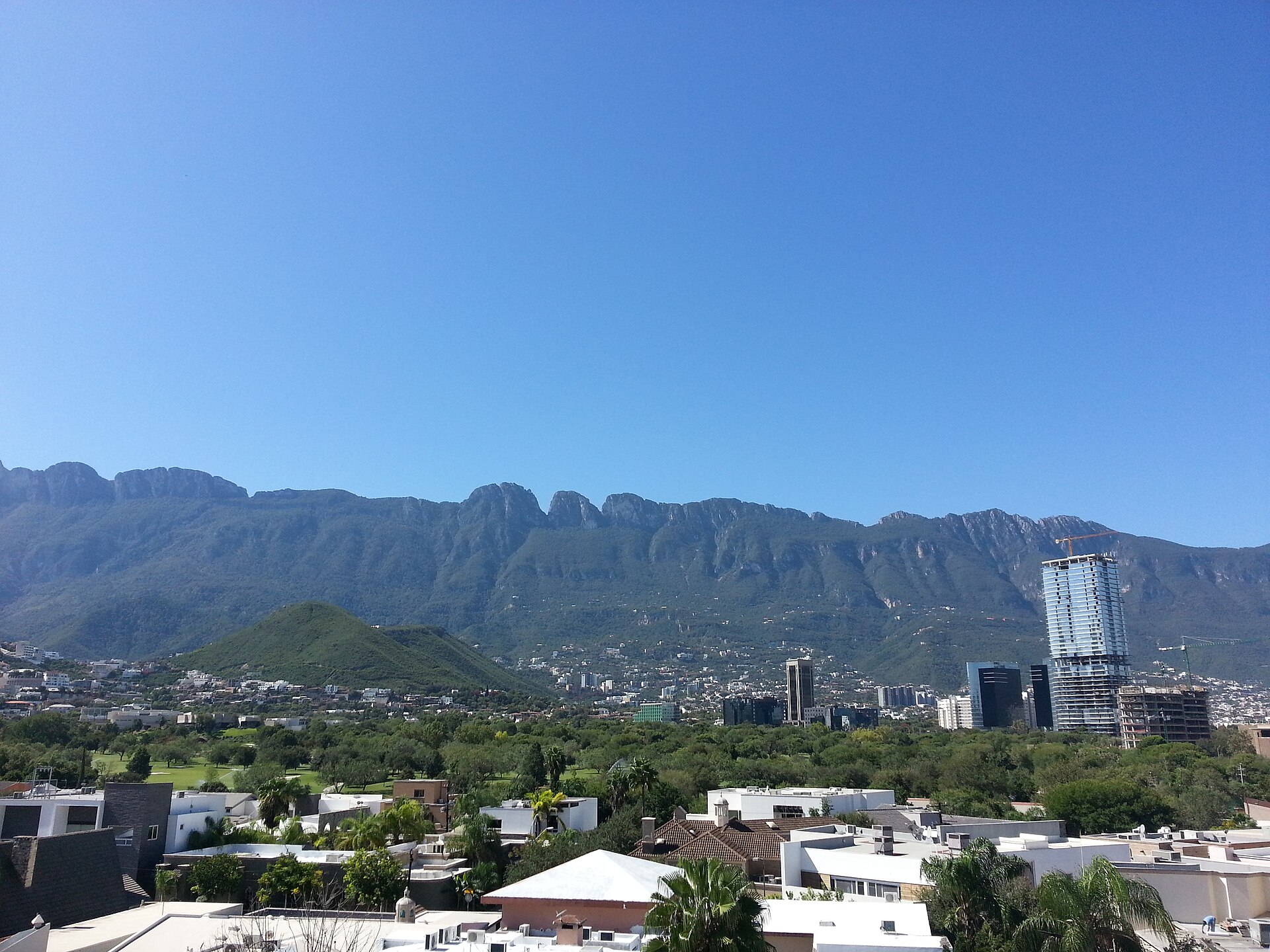
Monterrey is not a postcard town you stroll through in an afternoon. It's an industrial metropolis of more than five million people wedged into a bowl of limestone mountains, and the single most important thing a first-timer can understand is that the geography dictates the plan. The mountains — Cerro de la Silla to the east, the Sierra Madre and Chipinque to the south, La Huasteca and the García caves to the west — are the attractions. The city in between is where you eat, drink, and sleep. Get that mental map right and the weekend organizes itself.
The second truth is about heat. From roughly June through August, afternoon temperatures routinely sit above 38°C and some days push past 40°C. This itinerary is built around that reality: mountains and outdoor walking in the cool of the morning, air-conditioned museums and long lunches at midday, and the city's open-air promenades after the sun drops. If you visit between October and April you have far more flexibility, and October–November and January–February are the sweet spots for clear mountain views and comfortable walking.
Where to base yourself: San Pedro Garza García if you want polish, safety, and proximity to Chipinque, or the Centro/Barrio Antiguo edge if you want to walk to the Macroplaza and the nightlife. This plan assumes you're sleeping somewhere between the two and using Uber or DiDi to bridge the gaps, which is how most regios get around anyway.
Friday Evening: Land, Settle, and Ease In
You'll fly into General Mariano Escobedo International (MTY), about 30–40 minutes northeast of the city by car. Skip the airport taxi negotiation entirely: Uber and DiDi both operate at MTY and are dramatically cheaper and less stressful. There is no metro or train link to the airport, so a rideshare to your hotel is simply the right call. Drop your bags, splash water on your face, and resist the urge to do anything ambitious tonight — you have a full Saturday coming.
For a first night, the move is a low-key dinner that introduces you to the food without committing your one big cabrito meal yet. If you're staying near San Pedro, the Calzada del Valle and the streets around it have everything from taquerías to wine bars. If you're closer to Centro, walk into Barrio Antiguo while it's still early-evening calm — before the clubs open the neighborhood is genuinely pretty, all colored colonial facades and string lights, and you can have a relaxed drink without the 1 a.m. crush.
Pace yourself on the first night. Barrio Antiguo doesn't really wake up until 10 or 11, and the point of Friday is to bank sleep, not chase it. Tomorrow starts early and on a mountain.
Saturday Morning: Go to the Mountain First
Be moving by 7:30 a.m. The signature Monterrey morning is Chipinque — the ecological park draped over the Sierra Madre flank above San Pedro, roughly 11 km southwest of downtown. It opens early (around 6 a.m.) and the reason to go at dawn is twofold: the air is cool enough to actually hike, and the mornings give you the clearest views before the afternoon haze settles over the valley. There's a modest entrance fee on foot and a higher charge to drive up to the Meseta lookout; an Uber to the visitor center and your own legs from there is the simplest combination.
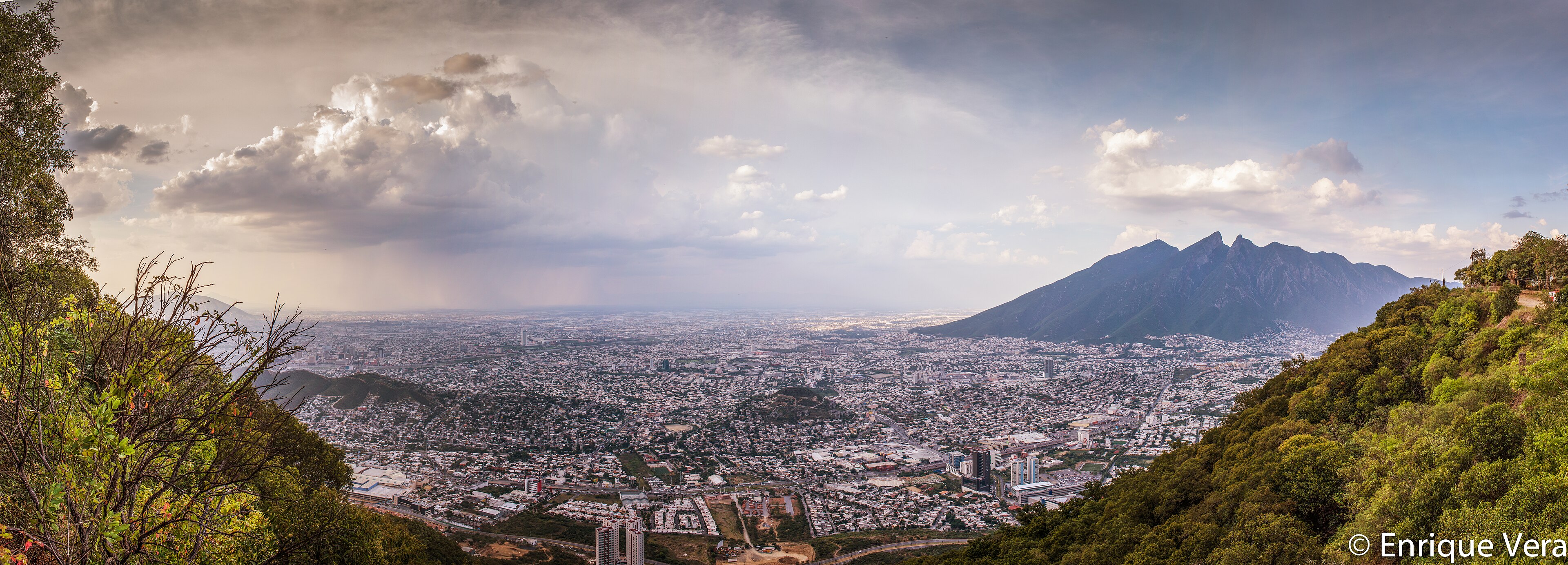
Chipinque is a real forest, not a manicured garden — pine and oak, switchback trails, and a genuine chance of spotting deer in the early hours. You don't need to summit anything. Walk up to a mirador, let the whole sprawl of Monterrey open up beneath you with Cerro de la Silla framing the far side, take your photos, and come back down before the heat. Bring water and proper shoes; this is the one moment of the weekend where flip-flops will betray you.
If Chipinque feels like too much elevation, the easier alternative is the Parque La Huasteca entrance west of the city, where dramatic limestone spires rise straight out of a dry canyon floor and you can wander on near-flat ground. But for a first-timer who wants the iconic city-from-above shot, Chipinque is the one.
Saturday Midday: The Cabrito Lunch You Came For
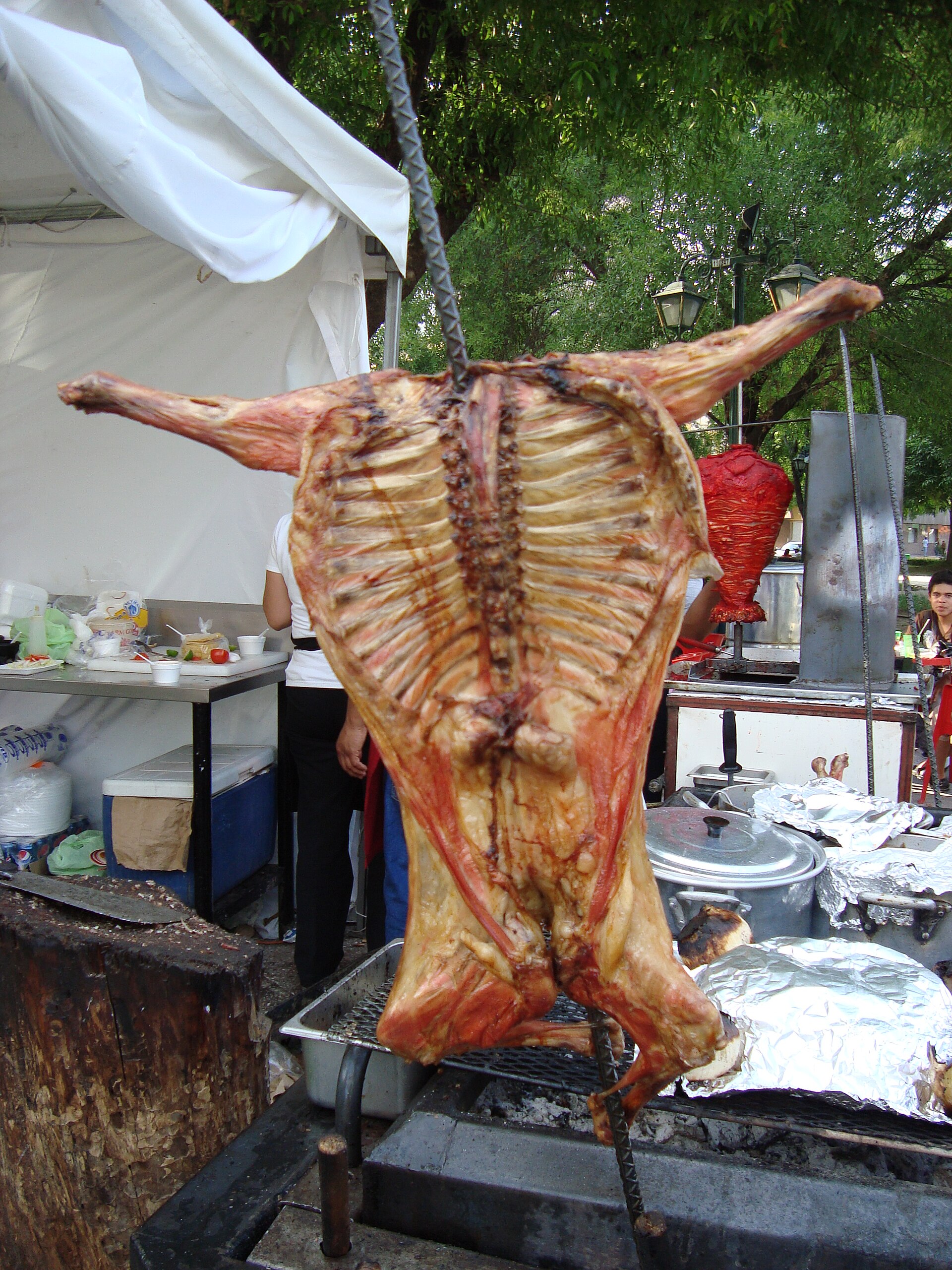
Cabrito — milk-fed kid goat splayed on an iron rod and roasted slowly over coals — is to Monterrey what barbecue is to Texas, and it is genuinely a weekend ritual here, not a tourist gimmick. This is your one non-negotiable meal, and midday after a mountain morning is the perfect time, because cabrito sits heavy and you don't want it competing with a night out.
Two honest recommendations. El Rey del Cabrito, on Avenida Constitución 817 in the Centro just south of the Macroplaza, is the famous one — a cavernous, gloriously over-the-top dining hall full of mosaic tile, chandeliers, and mounted taxidermy. It's touristy and proud of it, open daily from noon, and the theater is part of the experience. For something regios themselves swear by, El Gran Pastor on Avenida Gonzalitos has over fifty years of selecting kid from the region and is where locals who are particular about their cabrito actually go.
Order the cabrito al pastor (the shepherd's cut), but understand the goat is mild, faintly gamey, and best with the crispy skin; pair it with frijoles charros, fresh flour tortillas, and a cold beer. If you'd rather eat where the city has eaten for a century, the cabrito stalls inside the old Mercado Juárez downtown are a grittier, cheaper, more atmospheric option — less polished, more real.
Saturday Afternoon: Macroplaza → Santa Lucía → Fundidora
Here's the single best geographic insight for a first-timer: three of Monterrey's headline sights line up in a near-straight east–west corridor, connected by a walkable canal. You can do them as one continuous flow and never double back. Start at the Macroplaza, one of the largest civic squares in the world — a vast sweep of plazas, fountains, and the 70-meter orange Faro del Comercio, the laser-topped concrete slab designed by Luis Barragán that anchors the downtown skyline. The 18th-century cathedral and the contemporary-art museum MARCO sit on its southern edge.
From the Macroplaza, drop down to the Paseo Santa Lucía, the 2.5-kilometer artificial riverwalk that connects the city center to Parque Fundidora. You can walk the whole landscaped length, or — and this is the move on a hot afternoon — board one of the lanchita boats and let it carry you the length of the canal. The Paseo is at its prettiest in the hour before sunset, so time your boat for late afternoon when the light goes golden on the water.
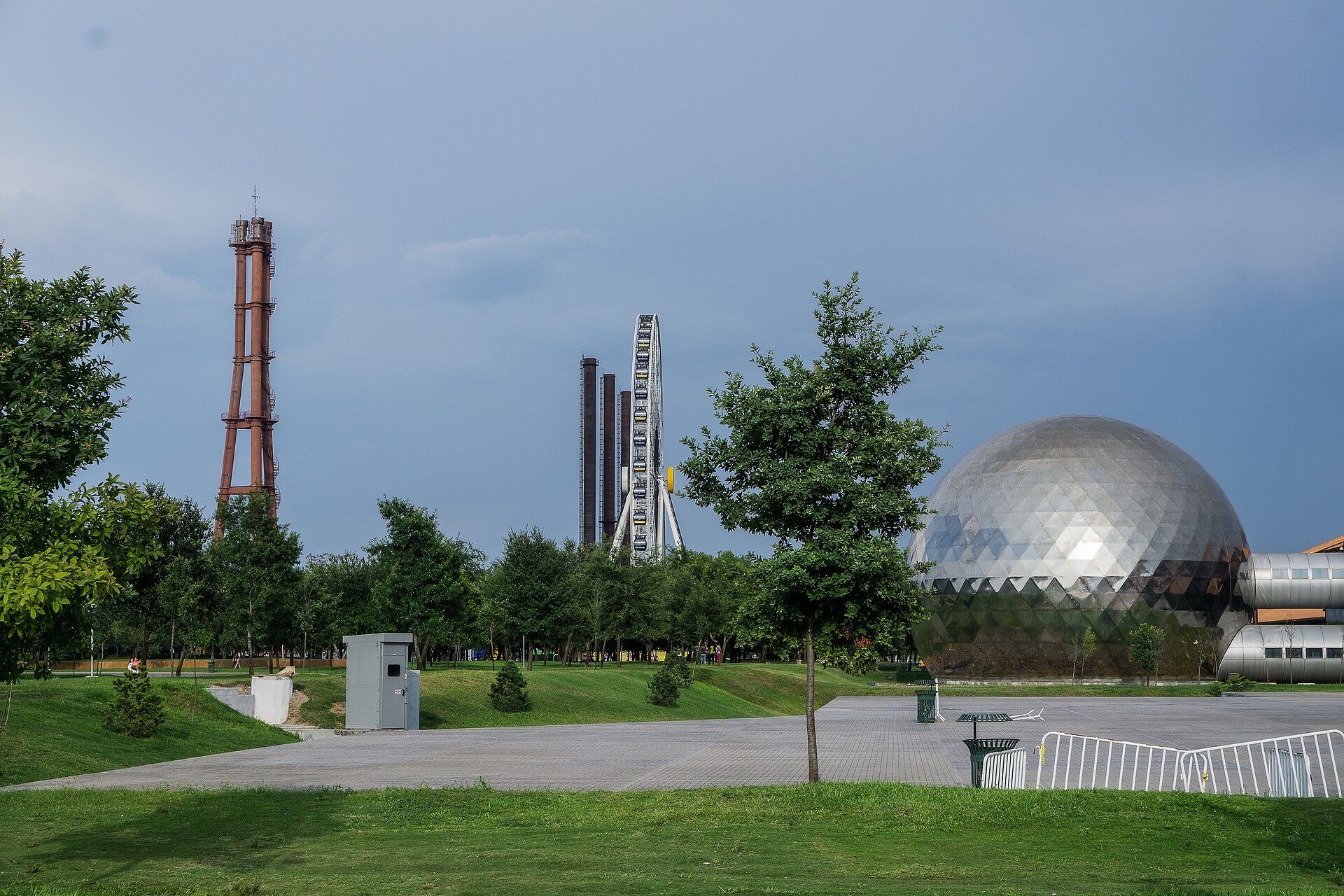
The canal delivers you to Parque Fundidora, a former steel foundry turned into one of the most striking urban parks in Latin America. The old blast furnaces and smokestacks still loom over the gardens, and the standout is Horno3, the Museo del Acero built inside an actual 1960s furnace — its rooftop platform gives you the smokestacks, the park, and Cerro de la Silla all in one frame. This is a lot of ground; if you're flagging, just walk the central avenue, see the furnaces up close, and save the rest.
Saturday Evening: Barrio Antiguo After Dark
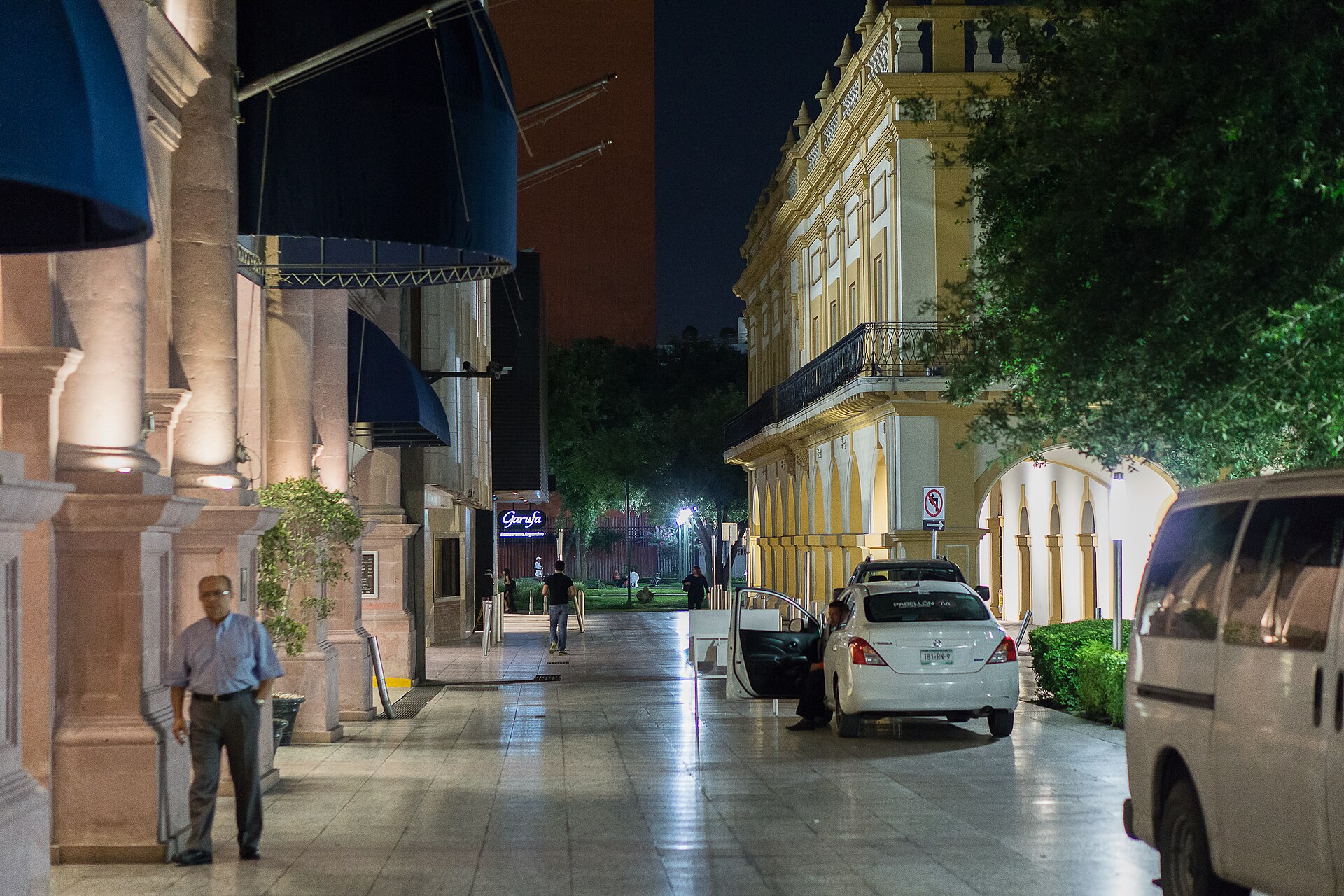
Once the sun is down and you've cleaned up, Barrio Antiguo is where Monterrey goes out. The compact grid of colonial streets just east of the cathedral closes to traffic on weekend nights and fills with everything from rock bars to cumbia halls to electronic clubs, most of them concentrated along and around Calle Padre Mier. The neighborhood is genuinely sleepy until about 10 or 11 p.m. — show up at 9 and you'll wonder what the fuss is about; show up at 11 on a Friday or Saturday and you'll understand.
The range is the appeal. Along Padre Mier you'll find rock-leaning spots, reggaeton and norteño clubs, and louder bottle-service rooms within a few blocks of each other. The right strategy is to wander, listen at the doorways for the music you actually want, and pick from the street rather than committing in advance. Eat something first — most of these are drinking venues, not dinner spots — and keep an eye on closing, since the peak runs roughly 11 p.m. to 2 a.m.
One regio note: Barrio Antiguo is best on Friday and Saturday and noticeably quieter midweek, so this is a Saturday-night plan specifically. Get a rideshare home rather than driving — parking is a nightmare and you'll have had a beer or two.
Sunday Morning: Slow Start, History, and a Skyline View
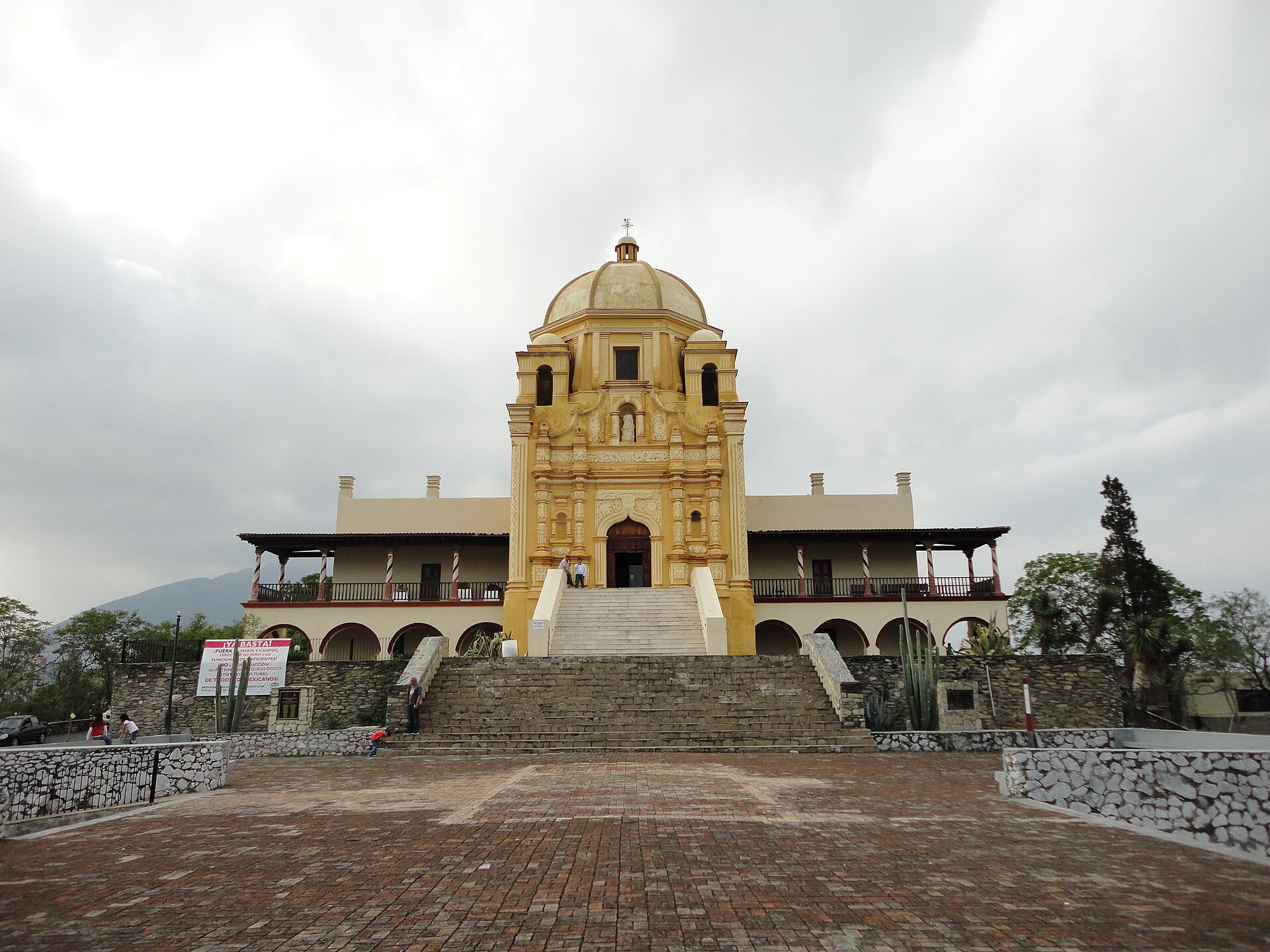
After Barrio Antiguo, Sunday earns a gentler start. Sleep in, then point yourself at the Obispado — the Bishop's Palace, a 1787 baroque building that is the oldest in the city and now houses the Museo Regional de Nuevo León. It sits on a hill west of downtown, and beyond the regional-history collection inside, the real reward is the terrace: one of the best free-feeling panoramas of the city sprawling out toward Cerro de la Silla. It's a calm, low-effort way to ease into the day and stitch together everything you saw on Saturday from above.
If you'd rather have culture than a view, MARCO on the Macroplaza's southern edge is one of the best contemporary-art museums in Mexico, with free admission on Sundays. It's air-conditioned, serious, and a fine refuge if the morning is already warming up. Either way, keep it light — the centerpiece of Sunday is the afternoon day-trip, and you want energy in the tank for it.
Grab a proper coffee and a late breakfast before you head out of the city. Once you're rolling toward the mountains, dining options thin out and you'll be glad you fueled up first.
Sunday Afternoon: The Mountain Day-Trip Finale
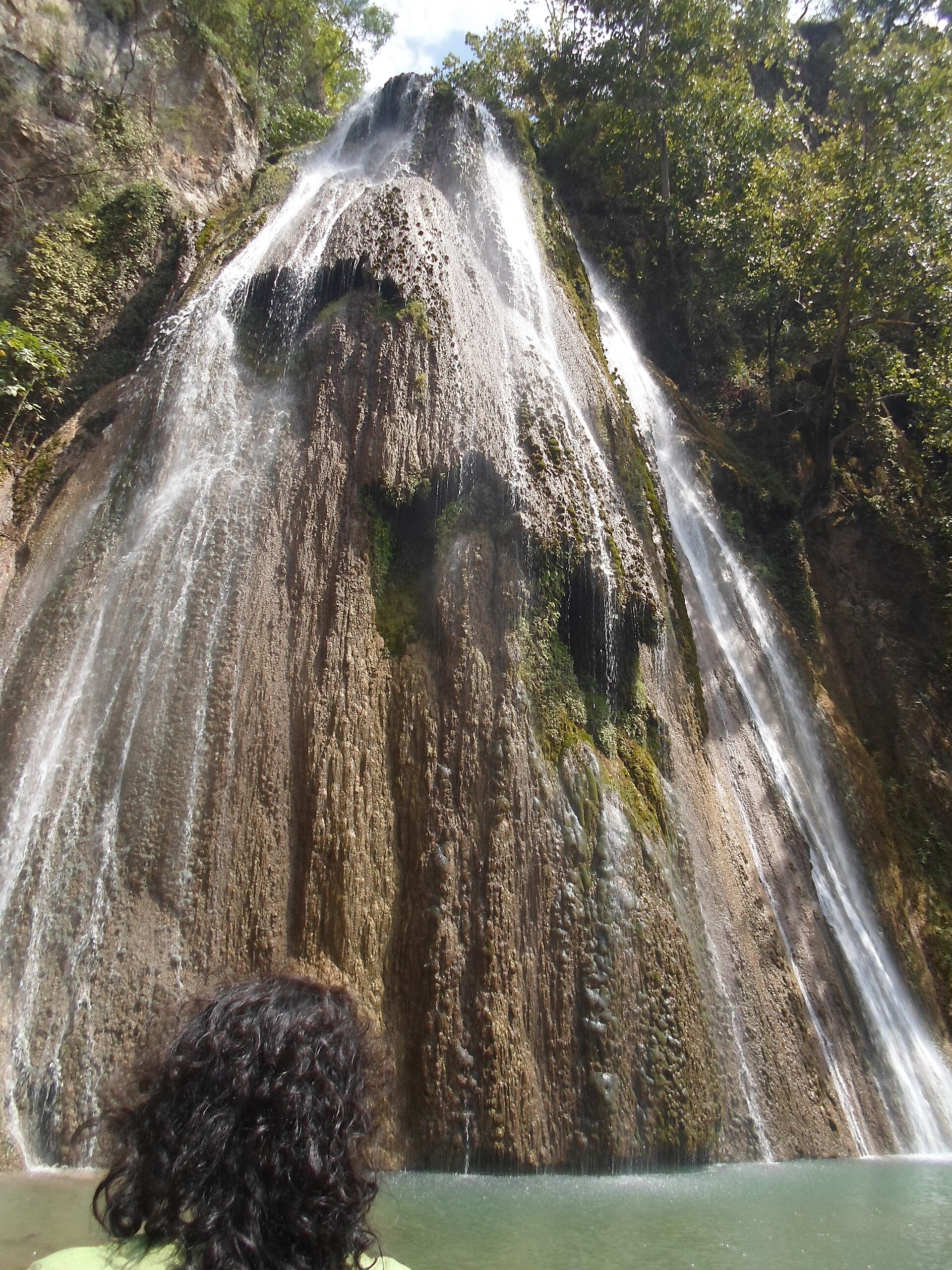
End the weekend the way you started it — in the mountains, only farther out. You have two classic choices, and they go in opposite directions, so pick one. South toward the Pueblo Mágico of Santiago lies Cascada Cola de Caballo, the 'Horse's Tail' waterfall, about 35–40 km from downtown. A paved walkway leads up to the cascade; horseback rides and zip-lines can be arranged on-site, and the colonial town of Santiago itself — with its tidy plaza and church — is worth an hour of wandering and a meal on the way back.
West of the city are the Grutas de García, a spectacular cave system roughly 30–45 minutes northwest near the town of García. The signature here is the cable car that hauls you up the mountainside to the cave mouth before you descend through enormous, formation-filled chambers on a guided path. It's a completely different experience from a waterfall — cool, dramatic, and a little surreal — and a strong choice if Sunday turns out hot.
Either trip is doable on your own by rideshare or rental car, or as an organized half-day tour if you'd rather not deal with logistics; several operators combine the caves and Santiago into one full day. Whichever you choose, aim to be back in the city by early evening so you're not driving mountain roads in the dark, and so you can have one last unhurried regio dinner before you fly out. You'll leave understanding why people here can't stop looking at their mountains.