First, understand the geography
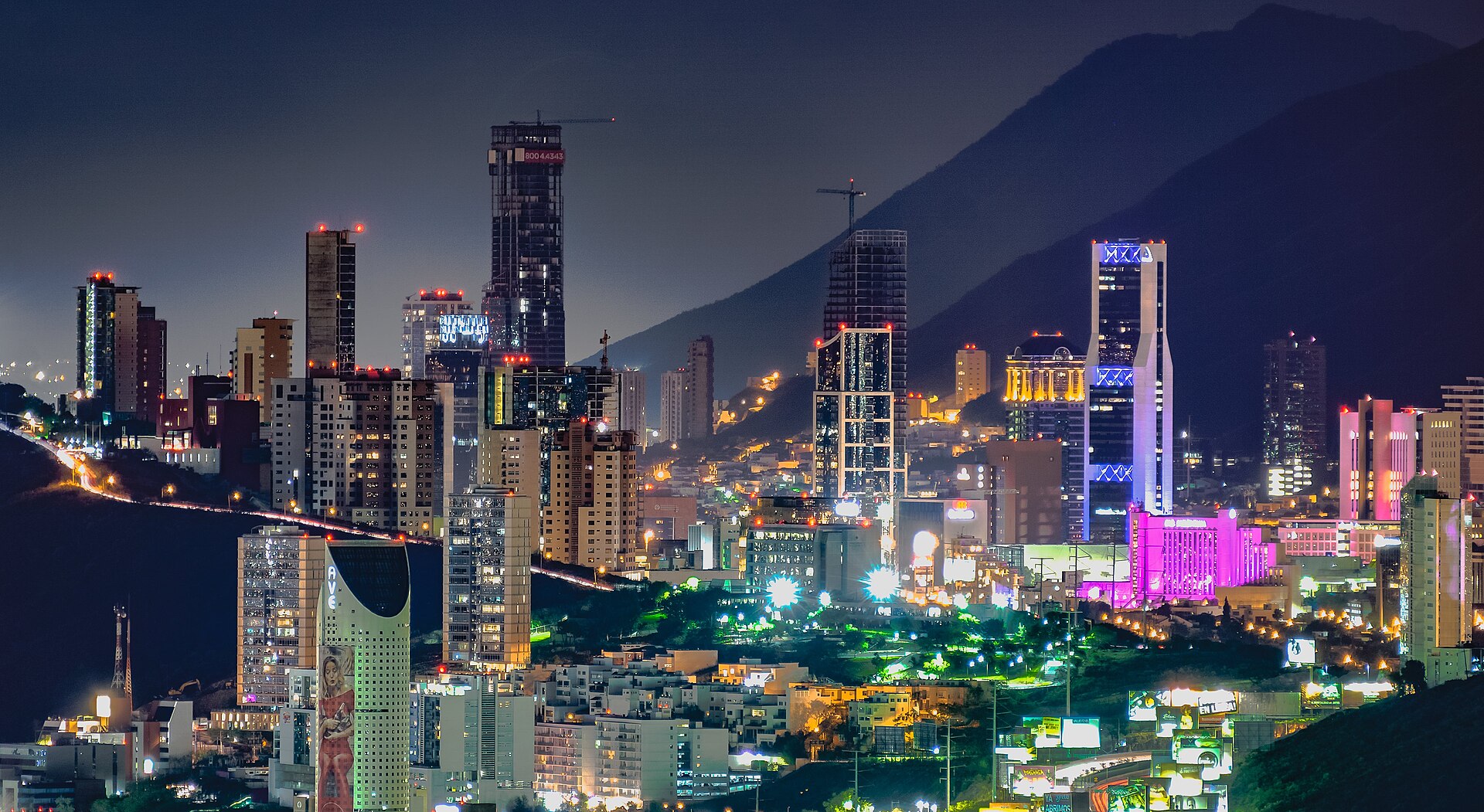
Before you compare neighborhoods, you need a mental map, because Monterrey is not one city but a metro of a dozen municipalities wedged between mountains. The Río Santa Catarina, usually a dry sandy bed except after a hurricane, runs east-west and splits the valley. To the south of the river rises the Loma Larga ridge, and beyond it sits San Pedro Garza García — technically its own municipality, not a colonia of Monterrey at all. To the east stands the unmistakable saddle of the Cerro de la Silla; to the west, the Cerro de las Mitras and the gateway to the Huasteca canyon. Everything you'll consider is oriented around those landmarks and the river.
This matters for one practical reason above all others: traffic. The mountains funnel the entire metro through a handful of arteries, and the few crossings over the river and around the Loma Larga become chokepoints twice a day. A move that looks like ten kilometers on a map can mean fifty minutes in a car at 8 a.m. So when you read 'commute reality' below, take it seriously. Where you live relative to where you'll work matters more in Monterrey than in most North American cities, because there is no rail metro line connecting the wealthy south to the job centers, only an aging light-rail that serves the older urban core.
The second thing to internalize is that Monterrey is a car city. Outside a few pockets — Barrio Antiguo, parts of the Centro, the Calzada del Valle corridor — you will drive for nearly everything. Walkability exists, but in islands. Keep that in mind every time the word appears below.
San Pedro Garza García: the default, and why it's overrated and underrated at once
San Pedro is where almost every relocation conversation starts, and there are real reasons for that. It consistently posts the highest Human Development Index in Mexico and one of the lowest perceptions of insecurity in the country. The schools are excellent, the hospitals are world-class, and the infrastructure — clean streets, reliable services, well-kept parks — simply works in a way that's not guaranteed elsewhere in the metro. If you are moving with a family on a corporate package, San Pedro is the safe, legible choice, and it earns that reputation.
But 'San Pedro' is not one place, and the sub-neighborhoods suit very different people. Colonia del Valle, the original 1940s subdivision laid out by the Santos family, is the established heart: leafy, low-rise in pockets, walkable along the Calzada del Valle, and home to luxury retail and old-money quiet. Valle Oriente is the opposite energy — glass towers, the metro's densest cluster of corporate offices, malls, and nightlife, which makes it the natural pick for young professionals who want to live in a building and walk to work and dinner. Vasconcelos is really an avenue and the commercial spine that runs through it, lined with restaurants and shopping, more a place you orient around than a residential pocket per se. And the Calzada del Valle itself is the green boulevard everyone runs and walks on in the mornings.
The honest trade-off is cost and traffic. San Pedro sits at the very top of the price spectrum for the entire metro, full stop, for both rent and purchase. And because it's separated from much of Monterrey's job and university geography by the Loma Larga, getting in and out at peak hours is a genuine grind. If you live and work inside San Pedro, life is frictionless. If you live in San Pedro and commute to the Tec or downtown, you'll pay for it in time. The thing San Pedro is most overrated for is the assumption that it's the only safe, livable option — it isn't, and you'll pay a premium for the assumption.
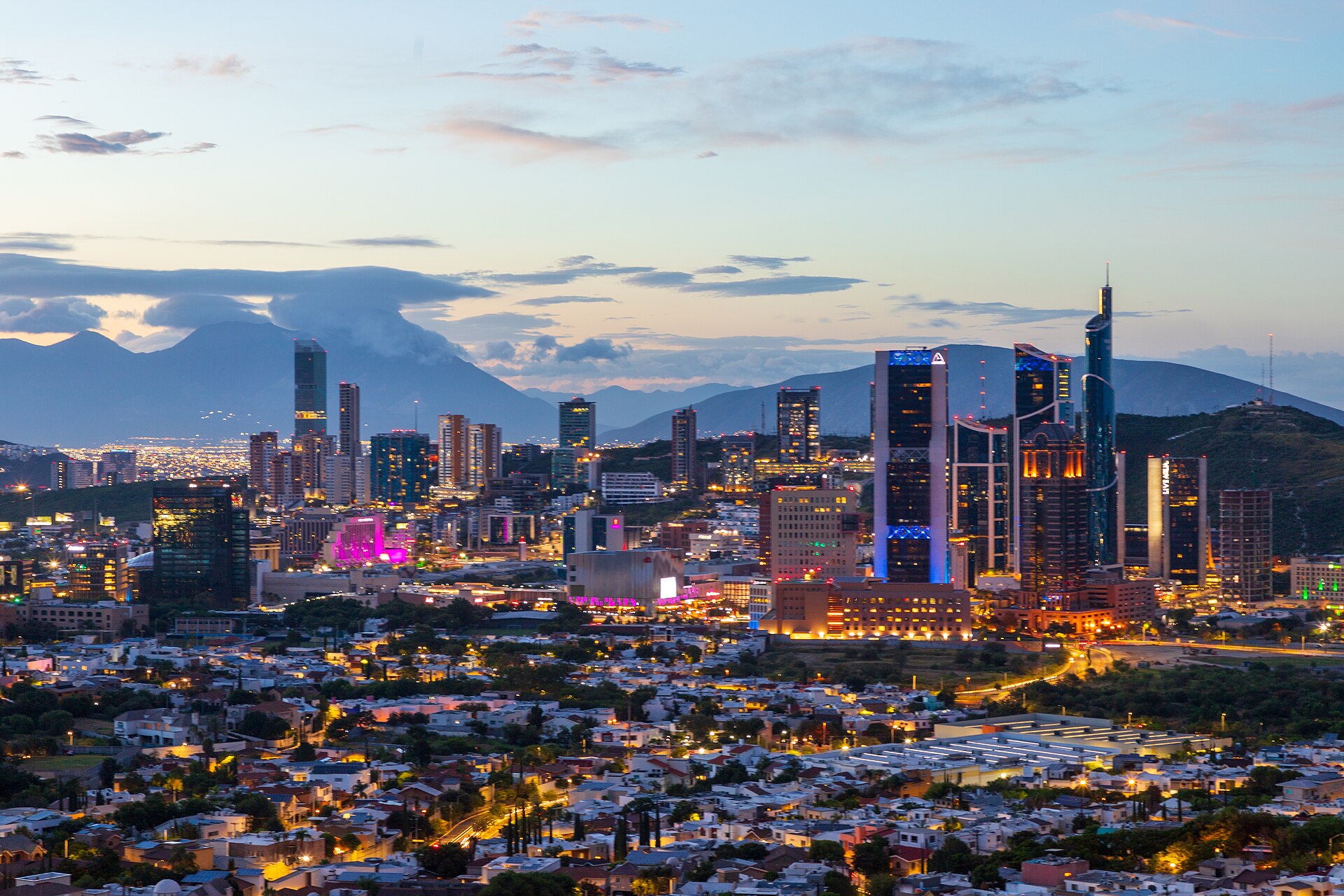
Centro & Barrio Antiguo: the only truly walkable Monterrey
If walkability is your non-negotiable, the historic core is the honest answer, and Barrio Antiguo is its soul. This is the eighteenth-and-nineteenth-century quarter, cobbled and low, that served as the city's commercial and cultural center through the colonial period and into the early twentieth century. It declined through the 1990s into partial abandonment, and it's been slowly clawing its way back through restoration ever since. Today it's the metro's densest concentration of bars, live music, galleries, and late-night life, walkable end to end, ringed by the museums and plazas of the broader Centro.
Who lives here is a specific crowd: younger renters, artists, students, and people who consciously reject the car-and-mall logic of the south. You can walk to the Macroplaza, to the MARCO contemporary art museum, to the riverside Paseo Santa Lucía, and to your morning coffee — a luxury that's genuinely rare in this city. The Centro also has the metro's best transit access, since the light-rail actually serves it.
The trade-offs are real and you should weigh them soberly. Barrio Antiguo is loud on weekend nights, parts of the surrounding Centro feel rough or empty after dark, and the housing stock is older, which means charm and also maintenance headaches. Safety perception here is mixed and block-dependent rather than uniformly reassuring the way San Pedro is. On price, the core sits in the lower-to-middle band of the metro, which is precisely why it's interesting: it's the rare place where you can trade a car for your feet and pay less, not more.
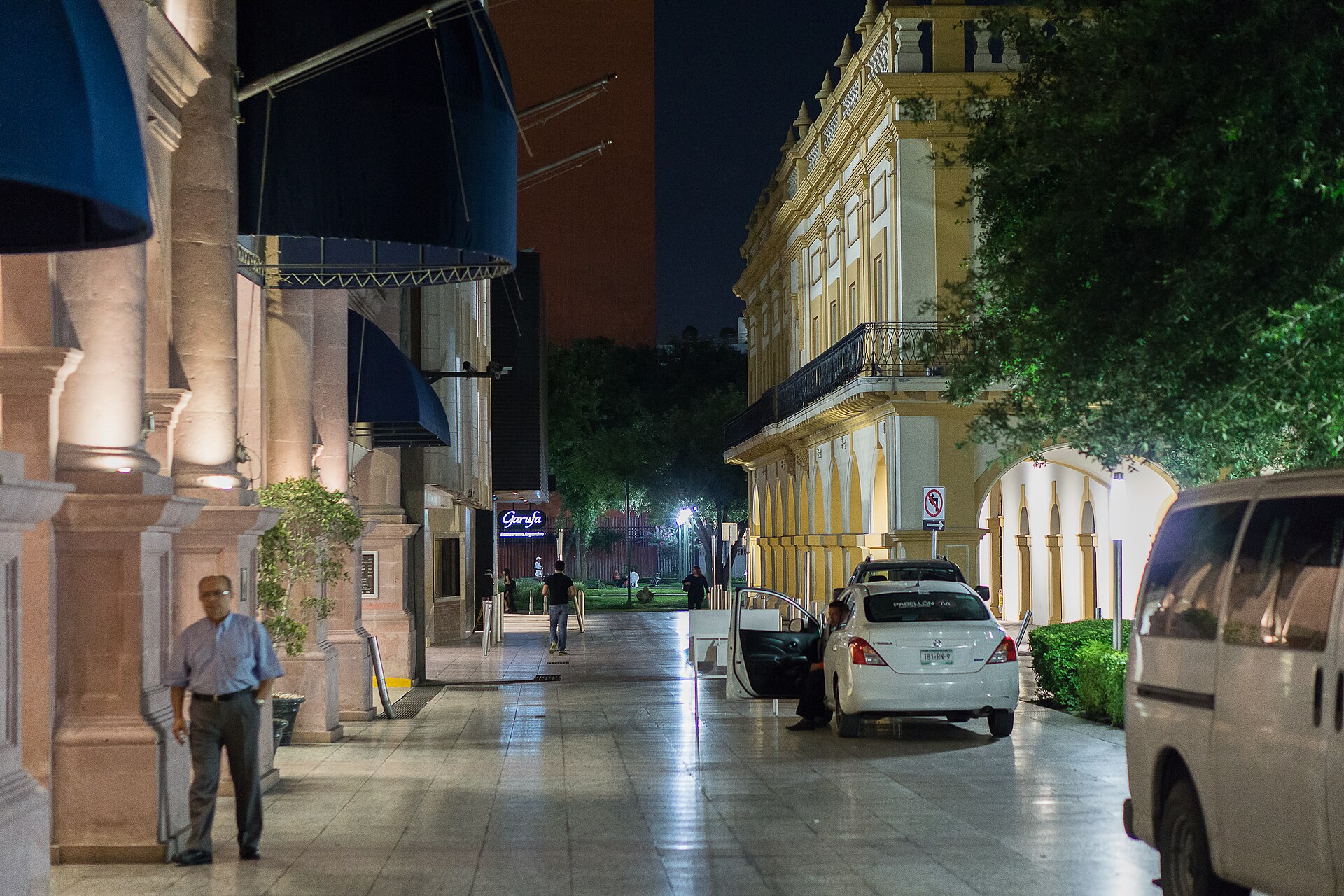
Obispado & Mitras: the underrated middle
Obispado is one of the city's older, more dignified neighborhoods, named for the Palacio del Obispado built in the late 1780s on the Loma de la Chepe Vera, which now houses the Regional Museum of Nuevo León. It populated through the nineteenth century with prominent family homes and still carries that architectural eclecticism — colonial Californian, art deco, even gothic touches. It sits central, west of the Centro, and offers something the extremes of the metro don't: an established, leafy, residential feel within striking distance of both downtown and the western job corridors.
Mitras, just to the northwest, is the more suburban counterpoint, divided into Norte, Centro, and Sur. This is family Monterrey — single-family homes, neighborhood parks, local markets, the kind of place where life is quieter and more self-contained. Neither Obispado nor Mitras is glamorous, and that's the point. They form the underrated middle of the metro: central enough to cut commutes, calmer than the towers of Valle Oriente, and priced well below San Pedro.
For relocators who want to be inside the city rather than in a gated bubble across the ridge, this band deserves a serious look. The reality check is that walkability is partial — you'll still drive for most errands — and safety perception is solid but ordinary, neither the fortress feel of San Pedro nor the edge of parts of the Centro. It's normal, functional, central Monterrey, and it's where a lot of locals quietly choose to live.
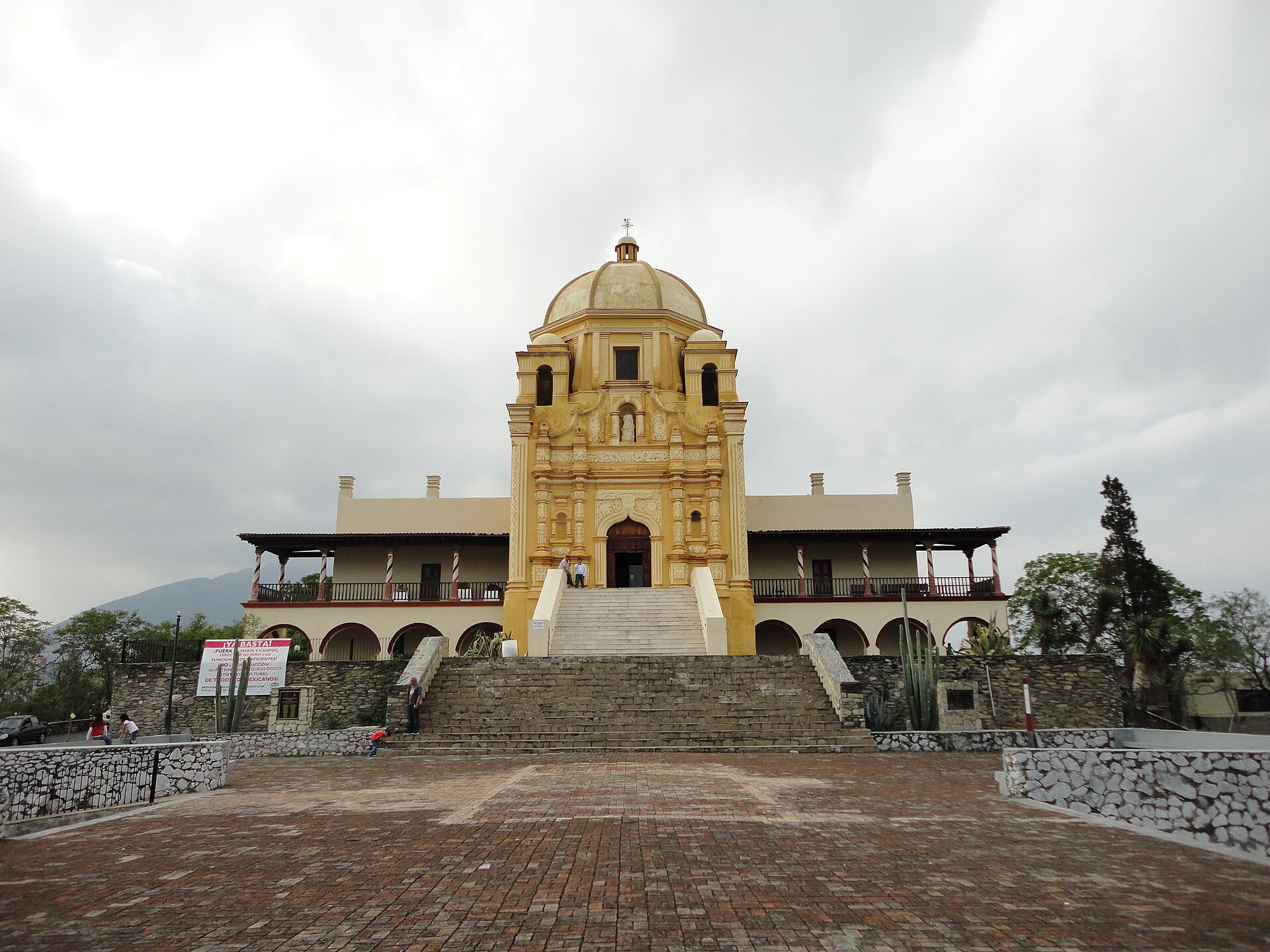
Cumbres, Contry & the family suburbs
Cumbres, sprawling across the northwest, is the metro's great middle-class suburban machine. Its defining feature is self-sufficiency: it grew as an integrated urban zone, so residents have schools, hospitals, malls, and services close at hand without crossing the city. It's vast, varied in quality block to block, and overwhelmingly residential — a place built for families who want space and a house rather than a tower. Price spans a wide range here, but the sweet spots land comfortably below San Pedro, which is much of the appeal.
Contry sits on the opposite side of the valley, south, at the foot of the Cerro de la Silla, and it trades Cumbres's scale for calm and a view. Residents will tell you it offers the best sightlines of the saddle mountain anywhere in the metro, and the neighborhood's whole character is quiet, settled, residential. It's a strong pick for families who want tranquility and proximity to the eastern and southern job centers without San Pedro's price tag or its cross-ridge commute.
The shared trade-off for this whole family-suburb band is distance and dependence on the car. You are buying space, schools, and quiet at the cost of a longer reach to the city's nightlife, cultural core, and — depending on where you work — your office. For many relocating families, that's exactly the trade they want to make. For a single professional who wants to walk to dinner, it would be a mistake.
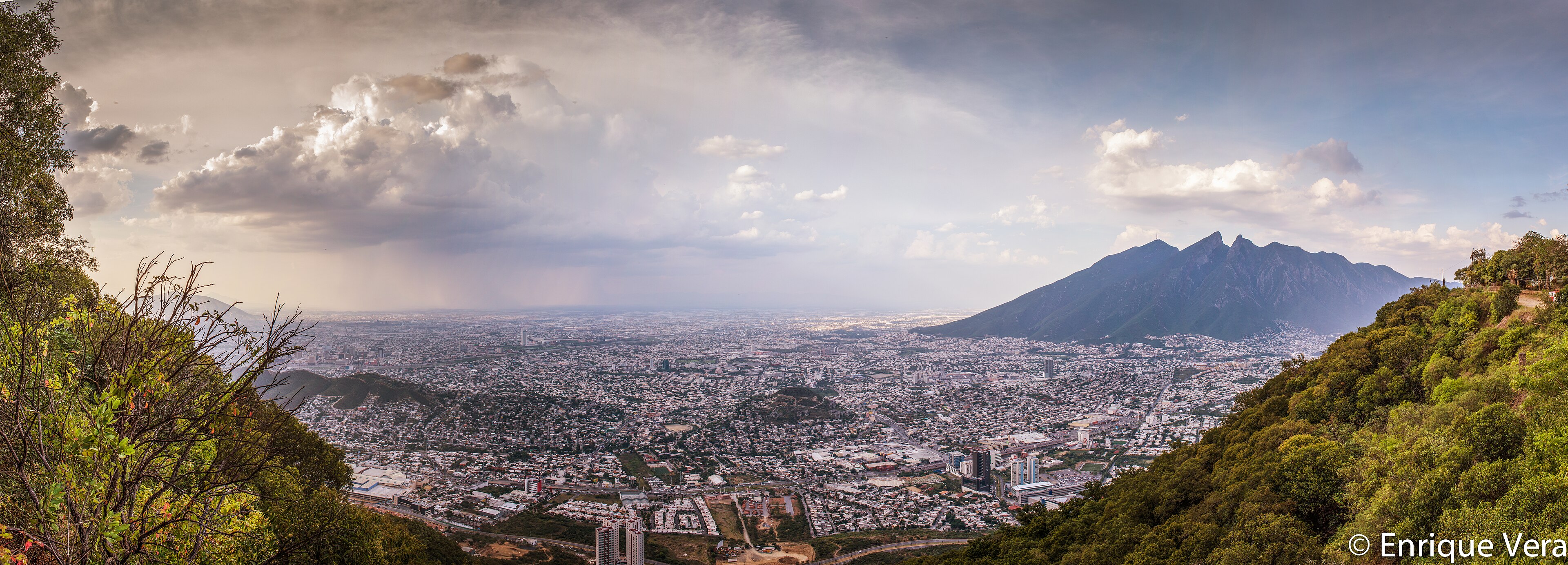
San Jerónimo & Tecnológico: central, connected, in demand
San Jerónimo, west of the Centro and climbing toward the hills, is one of the metro's quietly excellent central neighborhoods, and it earns that for two reasons. First, it sits beside one of the most important hospital clusters in the country — Christus Muguerza, Doctors Hospital, the Hospital San José of the Tec, and the UANL university hospital are all in the orbit. Second, areas like Colinas de San Jerónimo are noticeably secure, with street cameras and controlled-access residential pockets. That combination of central location, medical proximity, and tangible safety makes it a favorite for both established locals and relocators.
The Tecnológico district — Distrito Tec — is among the oldest parts of the city and one of its most reliably popular. It wraps around the Tec de Monterrey campus, which gives it a steady student-and-faculty energy, and it offers genuine amenities within reach: the Alameda Alfonso Reyes green space, the Paseo Tec commercial area, and a density of cafés and casual food that follows any good university. This is a strong choice for younger professionals, academics, and families who want to be inside the urban fabric rather than in a distant suburb.
Both neighborhoods sit in the middle band of the price spectrum — above the working-class colonias, below San Pedro — and both reward you with something the wealthy south can't: you're already in the city, not across a ridge from it. The honest caveat is that Distrito Tec is an active redevelopment zone, so you'll find new mid-rise buildings rising next to older houses, and the area's character is still in motion. For many that's the appeal; if you want a finished, static neighborhood, look elsewhere.
Colonia Independencia: the soul of the city, with eyes open
No honest neighborhood guide to Monterrey can skip Colonia Independencia, even though it's not a conventional relocation pick, because it's the emotional heart of working-class regio identity. Founded in the late nineteenth century as Barrio San Luisito by poor migrants from San Luis Potosí and Zacatecas, it was renamed Independencia in 1910 for the centennial of Mexican independence. It climbs the steep face of the Loma Larga in a tangle of staircases and irregular alleys, hemmed between the river and the ridge, and in the 1960s it became the Cuna de la Cumbia — the cradle of the sonidero dance culture that defines the city's sound to this day.
I include it for honesty, not as a recommendation for a relocating professional. La Indepe carries a heavy stigma in local conversation, and its reputation for danger is real in parts and exaggerated in others — the truth is block-by-block, as locals will tell you. The municipal 'Transformando Monterrey' renewal program launched in 2025 has been repainting facades, rebuilding staircases, and upgrading lighting and water across thousands of homes, which signals both the neighborhood's challenges and a serious effort to address them.
For nearly everyone reading a relocation guide, Independencia is a place to understand and respect rather than move into. But it belongs in any complete picture of where Monterrey actually lives, because it explains the city's culture in a way the gated south never could. On price it's at the bottom of the spectrum, and that is inseparable from everything else about it.
How to actually choose
Strip away the prestige and the choice comes down to three honest questions. First, where will you spend your days? Because of the mountains and the missing south-to-core transit, your commute should anchor the decision more than the neighborhood's reputation. If you'll work in Valle Oriente, live near it; if you'll work at the Tec or a downtown office, San Jerónimo, Distrito Tec, or Obispado will save you hours every week that a San Pedro address would cost you.
Second, do you need to walk or are you content to drive? If walkability is genuinely non-negotiable, your real options narrow to Barrio Antiguo and the Centro, and the Calzada del Valle corridor in San Pedro — almost everywhere else is a car-first life, and you should plan accordingly. Third, what are you actually buying with a premium? San Pedro buys you top-tier schools, the lowest insecurity perception, and frictionless services, and for a relocating family that can be worth every peso. But the assumption that it's the only safe, livable choice is the single most expensive mistake newcomers make. San Jerónimo, Obispado, Contry, and Distrito Tec all offer secure, comfortable lives at lower cost and, often, better location.
My practical advice is the same one locals give: rent first, in a short lease, before you commit. Spend a few weeks driving your real commute at real hours, walking the blocks at night, and visiting on weekends. Monterrey rewards people who match the neighborhood to their actual life rather than to the brochure — and it quietly punishes those who buy the reputation and inherit the traffic.